Trust over tactics: why healthcare brands need a long-term approach

Healthcare marketing often lives under immediate pressure. Appointment slots need filling, new services require promotion and campaigns must generate measurable returns quickly. Paid search, promotional offers and tactical campaigns can absolutely drive immediate results. However, for healthcare providers, sustainable growth rarely comes from quick wins alone. 

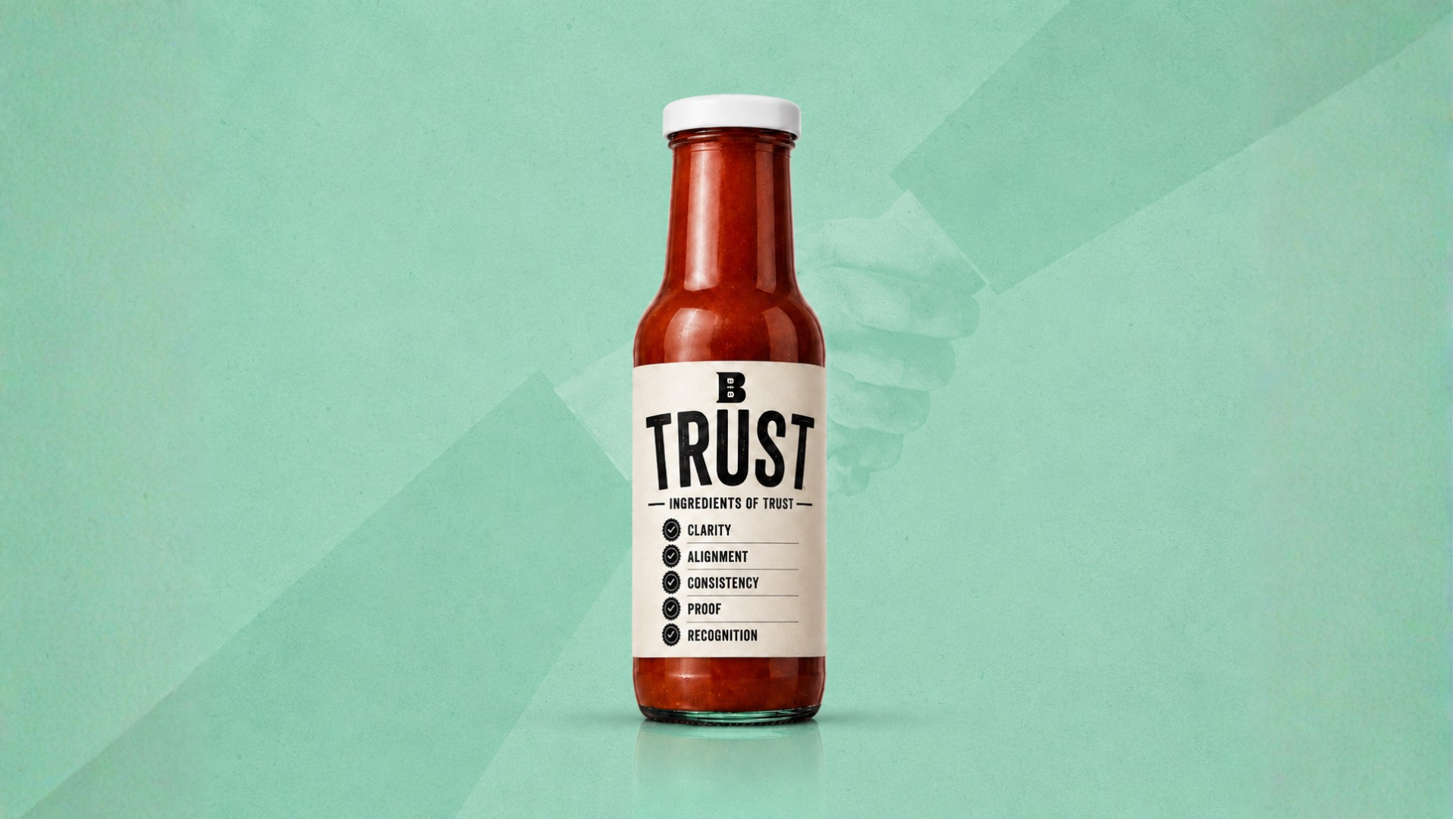
In a sector where trust is paramount, long-term brand building is what ultimately drives patient loyalty, advocacy and reputation. 

Patients don’t choose healthcare providers the same way they choose consumer products. Whether selecting a dentist, hearing specialist or private medical provider, people are making decisions about their health and often their finances. This means credibility, consistency and reassurance play a far greater role than a single promotional message or paid campaign. 

Channels such as PPC and targeted digital advertising are powerful tools for capturing demand when patients are actively searching for treatment. They can generate immediate enquiries and support revenue targets. But on their own, these tactics rarely build the deeper trust required for long-term patient relationships. 

That’s where brand building comes in. 

Strong healthcare brands are built through consistent visibility, authoritative expertise and a clear narrative about what the organisation stands for. PR, thought leadership, organic search, content marketing and brand storytelling all play an essential role in reinforcing credibility over time. 

For example, healthcare brands that already have strong public trust can use creative campaigns to reinforce their role in everyday health decisions. When new research from Boots revealed that nearly a third of UK adults report falling ill after the summer holidays as children return to school, the retailer used the insight to highlight the support available through its pharmacy services. 

To bring the message to life, a Boots pharmacist swapped the high street for the school gates, acting as a “lollipop pharmacist” for the day – helping children cross the road while sharing healthcare advice with parents and reminding them that pharmacists can diagnose and treat a range of common conditions. The campaign also highlighted the accessibility of services such as the NHS Pharmacy First Service, reinforcing the role of pharmacists as a convenient first point of care. 

The campaign worked not because it pushed a promotion, but because it reinforced an existing brand truth: Boots pharmacists are trusted, accessible healthcare professionals embedded within local communities. By combining research, community engagement and expert advice, the activity strengthened credibility while gently encouraging people to consider pharmacies as an alternative to GP appointments for common conditions. 

When brand awareness and credibility are already established, paid campaigns perform more effectively. Patients are more likely to click, enquire and convert because they recognise the name behind the advert. Trust reduces friction in the decision-making process. 

Importantly, long-term brand investment also protects reputation. Healthcare organisations operate in an environment where reviews, patient experience and public perception can significantly influence growth. A strong brand built on consistent messaging, transparency and expertise provides resilience when challenges arise. 

Some healthcare brands show how long-term trust-building pays off through authentic storytelling. Bupa, for instance, highlights real patient journeys and outcomes in its campaigns, focusing on the human impact of care rather than just promoting services. By consistently sharing these stories, Bupa reinforces its reputation as a trusted, patient-centered provider, demonstrating that credibility and empathy are more powerful for long-term engagement than short-term tactics alone. 

The clinics and healthcare brands that succeed over time are rarely those chasing the latest marketing tactic. Instead, they are the organisations that invest consistently in trust: showing up in the right places, sharing expertise, telling their story and building meaningful relationships with patients and communities. 

In healthcare, reputation isn’t built overnight. But when marketing strategies prioritise both demand capture and long-term brand credibility, the results are far more powerful than either approach alone. 

Why we shouldn’t write off newspapers

As a former journalist I couldn’t help but watch new BBC series, The Papers, with some fondness and more than a touch of nostalgia.

The two-part fly-on-the-wall documentary profiles leading Scottish publications The Herald and The National as they became seven-day operations, publishing The Herald on Sunday and The Sunday National for the first time in place of the now-defunct Sunday Herald.

The trials and tribulations of pulling together pages was played out against the demands of covering major news stories, including ex-PM Theresa May suffering the biggest defeat in history at Westminster over her Brexit plans.

For anyone who is interested in news and current affairs, it was a fascinating insight into how stories are developed and then presented.

Unfortunately, it also shone a spotlight on the ongoing decline of print and the diminishing resources available. Circulations across the industry have shrunk dramatically over the past decade as readers migrate from print to digital. According to research organisation Mintel, national newspapers experienced a 10% drop in circulation last year to just over 1.8bn. The picture isn’t much rosier for regional newspapers. Annual regional newspaper circulations are expected to fall by 9.6% this year, to around 1.15m.

On the flipside, online consumption is growing, and overall reach has never been higher. More than half of adults – 53% – access news via free websites and apps, while 42% say they read traditional print newspapers and 38% read national newspapers online.

The challenge for the industry is how to monetise online output in the face of the free content published by Google and Facebook and audience resistance to paywalls.

Encouragingly, there are signs that ‘fake news’ has helped to create a more favourable environment for authoritative news sources such as newspapers, TV and radio.

Certainly, it was clear from The Papers that journalists remain highly committed professionals who, despite ongoing budget cuts, care deeply about covering the stories that matter to their readers.

These are people who put their heart and soul into what they do, often at personal cost, by working long hours and enduring increasing workloads to mitigate against reduced staffing levels and to keep up with the new digital age. In the first episode of The Papers, journalists were shown breaking stories on social media and creating online content including podcasts, in addition to the day job of sourcing and reporting the news.

And what does all this have to do with brands and their marketing communications goals?

I may be a dinosaur in a minority of one, but I’d argue that the drive and commitment demonstrated by the team behind The Herald and The National together with the continued respect that the public has for quality journalism makes a strong case for businesses investing in media relations and engagement.

Yes, it is important to stay ahead of the market, consider the options and invest in the platforms that are right for your audience.

But brands looking to influence behaviours – whether that’s growing sales, recruiting top talent or enhancing reputation – shouldn’t write off ‘the papers’ just yet.

If you’d like to discuss how to combine PR and digital marketing for maximum impact, get in touch today.

Stunts, activations and the return of participation: how brands win in 2026

As we kick off a new year and think about how brands get people talking, one thing feels clearer than ever. Physical presence and real human interaction are key.

In a world where so much brand communication lives on screens, people are craving moments they can step into. Things they can experience, touch, try or be part of. When brands show up in the real world, they create space for connection, inviting people in and giving them something to remember.

Done well, they help people engage with a brand in a more meaningful way, drive trial of a product or service, and put real faces behind the logo.

And while digital remains essential, it’s no longer enough on its own. Whether a pop-up, a live experience or a simple interactive idea, these touchpoints help brands feel more rounded and present.

After a period of playing it safe, brands are backing themselves again. They’re taking creative risks, expressing clearer opinions and making braver choices. In an overcrowded attention economy, standing out is no longer optional. It’s essential.

A recent example is our work with the male grooming brand Rock Face, where we delivered an activation designed to bring their scent credentials to life. We took to the busy streets of major city centres, partnering with a scientist to conduct a chemical-based study on the impact of scent on heart rate. The activation combined influencer involvement and product sampling, with timings strategically aligned to a multi-channel brand campaign during Rock Face’s peak trading season.

We also delivered a highly visual activation for Booking.com, which emphasised their commitment to local communities, in addition to creating noise around the opening of their new Manchester offices. ​Using the derby football match as a hook, we brought to life the ‘red or blue’ debate by creating the ultimate Manchester ‘Stunt Stay’ – a perfectly split half-red, half-blue house, located at the middle point of Old Trafford and Etihad stadiums.​ The campaign created a content-rich opportunity including a photo-stunt for earned, owned, paid and shared channels.

Why activations matter more than ever

At their best, activations do more than generate headlines or social buzz. They put products and services directly into people’s hands or, where that’s not possible, give audiences a clear and compelling call to action.

Sampling, trials, demos and live experiences allow people to experience a brand rather than be told about it. And when there’s no physical product, activations still work by inviting people to sign up, show up or rethink something.

Whether it’s B2B or B2C, decisions are still made by people. A finance director or procurement lead is no less human than a consumer browsing the high street. Activations that recognise this, and speak to people rather than job titles, are the ones that cut through.

Strong foundations make bold activations easier

Successful activations don’t happen in isolation; they’re built on clear brand foundations.

When brands know who they are, decisions get easier. Creative routes sharpen, tone of voice becomes instinctive, and audiences feel that confidence too.

Without this clarity, activations risk becoming noise. Visually impressive, perhaps, but disconnected from the bigger picture. With it, even simple ideas can feel distinctive, memorable and powerful.

Top five tips for a successful brand activation

  1. Start with a single human truth. What do you want people to feel, think or do?
  2. Make participation effortless, not forced
  3. Design for experience first, focussing on creating something that will genuinely be of benefit.
  4. Anchor everything in the brand. From visuals to language to behaviour, an activation should feel unmistakably like the brand behind it.
  5. Remember who you are really talking to and speak to them in way that will allow you to connect.

Experiential marketing has become one of the most powerful ways for brands to connect. Activations are designed to spark emotion, bring together communities, and turn moments into measurable impact.

Why the most effective campaigns are built around one clear, connected thought

There’s a pattern I’ve noticed over the years.

The campaigns that really land, the ones that feel confident, connected and hard to ignore, nearly always start in the same place. Not with channels. Not with formats. And definitely not with a media plan.

They start with a clear idea. One central thought that everything else connects back to.

You might call it a unifying platform. Or an overarching creative direction. Or simply “the campaign idea”. The label doesn’t really matter. What matters is that everyone involved is aligned on the same thing: what’s the idea we’re building from, and what’s it all in service of?

Because when that’s clear, everything else becomes easier.

With a recent client, we saw this very clearly. Initially, there were multiple campaign ideas running in parallel, each trying to solve a slightly different problem. Individually they made sense, but together they competed for attention.

Once everything was aligned around one clear, connected idea, the work immediately felt more confident and coherent. Not because we added more activity, but because everything was finally pulling in the same direction.

From the audience’s point of view, it’s all one experience

One of the biggest reasons this approach works is also the simplest.

People don’t experience brands in channels.

They don’t separate PR from social or paid from content. They just experience a brand across different places, moments and formats. To them, it’s one journey.

When campaigns are planned channel-first, that disconnect often becomes obvious. Messages fragment. Creative loses consistency. And the audience is left to join the dots themselves.

Years ago, I worked with a high-profile UK high-street retail brand that planned campaigns channel by channel. Each team was doing good work, but it never quite added up to a single experience.

When we flipped the thinking and started with one central campaign idea instead, decisions became quicker, messaging tightened, and the campaign finally felt joined-up from the outside. The work didn’t change overnight. The clarity did.

An idea-led approach fixes this by design. It starts with the story, then works out how that story should be expressed in different places in a way that feels connected, intentional and recognisable.

The idea shapes the strategy. The strategy guides the channels.

One idea doesn’t limit creativity. It focuses it.

There’s sometimes a fear that committing to one central idea will box teams in.

In reality, it does the opposite. Clarity creates freedom. It removes guesswork, speeds up decision-making, and means creative energy goes into making the idea work harder, rather than constantly reinventing it.

The campaigns that struggle most are usually the ones trying to say too many things at once.

More broadly, this is something I’ve seen repeatedly over the years, and even more so now as marketing budgets come under pressure.

One focused campaign, built around a single clear idea, will almost always work harder and feel bigger than three or four separate ones all trying to say different things.

When spend has to work harder, focus stops being a nice-to-have and starts becoming essential.

When you start with one clear idea everything ladders up to, channels stop competing for attention. PR has something meaningful to talk about, social reinforces the story, and paid knows exactly what it’s there to amplify.

The result is one experience, not lots of separate parts.

Call it what you like, but it’s about alignment

Whether you call it a campaign idea, a unifying platform, a creative direction or just “the thing we’re all building from”, the principle is the same.

The most effective marketing doesn’t start with channels. It starts with clarity. A clear idea at the heart of the strategy, giving everything else something to connect back to.

When that’s in place, channels stop behaving like separate workstreams and start working together. Decisions get easier. Creative gets sharper. And from the audience’s point of view, it all feels like one joined-up journey.

That’s why at BIG Partnership we work in an ideas-first way. Not because channels don’t matter, but because they work best when they’re built around one clear, connected thought.

That’s what we really mean by strategy-led, idea-driven marketing.

10 trends brands should care about in 2026

Trends matter because they explain why people are changing, not just what they’re doing. They sit in the space between what’s happening now and what’s about to feel normal, helping brands make sense of shifting behaviours, expectations and priorities before they fully settle in.

In 2026, that clarity matters more than ever. Brands aren’t short of options or opportunities. They’re short of focus. Understanding the right patterns helps brands decide what’s worth acting on, what to ignore and where to put their energy to create real relevance and impact.

These ten trends are the ones we’re seeing repeatedly in real client work. Practical signals that can help brands make smarter decisions as we head into 2026.

1. The human touch matters most in an AI-first world

AI is everywhere. Faster, smarter and increasingly invisible. As automation takes care of functional tasks, the real value shifts to what humans do best: judgement, taste, craft and personality. Tone, warmth and instinct still matter. A great example of this in action is the recognition recently given to headline writers, including The Sun’s front page team, for their wit and human flair. This serves as a reminder that creativity can still cuts through in ways AI can’t replicate.

2. The here-and-now mindset: short-term feel-good wins

Long-term goals feel harder to commit to in an unpredictable world. Instead, people are focusing on small, achievable moments of joy. Brands are responding by rethinking loyalty and rewards – favouring instant emotional payoffs over distant benefits. Little wins now beat big promises later.

Brands such as Lidl, Octopus Energy and Vitality have been praised by consumers for weaving these moments into essential, ongoing expenses. Using simple, tangible rewards like baked goods, free coffees and cinema tickets, turns necessary spending into something that feels immediately rewarding.

3. Retail therapy evolves into retail joy (with intention)

People are still savvy and selective, but they’re ready to spend again when it feels justified. Shopping is becoming more emotional and more considered. The little moments of joy matter, but the emotional part of the decision must feel like it has a strong rational part, to make it feel good. Online retailers like ASOS are doing this well, balancing the joy of buying something you love, with a discount code but knowing you have a clear, fair returns model. Flexibility remains, but boundaries are clearer, making spending feel both enjoyable and responsible.

4. The return of brand swagger

After years of playing it safe, brands are backing themselves again. Clear opinions, strong creative choices and less apologising are back. Swagger doesn’t mean arrogance. It means confidence and clarity. Ryanair and Aldi continue to prove that knowing exactly who you are (and sticking to it) builds trust and loyalty.

Aldi’s playful but pointed parody campaigns (from product lookalikes to tongue-in-cheek legal disclaimers) communicate value without defensiveness. The humour signals confidence. Aldi doesn’t need to claim superiority, just equivalence at a lower cost. They own it time and again and more and more brands are following suit of just ‘being themselves’ consistently.

Check out a recent campaign from us for Aldi Scotland where we made a bid to raise awareness of St Andrew’s Day with an ‘Andrew approved feast’ – surveying Andrews, Andys and Drews across the country on their favourite festive flavours. 

5. The big simplification

Life is complicated enough. Brands that reduce friction will win. A great example is the rise of simpler ranges, clearer language and transparent choices which make people feel calmer and more in control. M&S’s “Only… Ingredients” range strips products back to their essentials, turning simplicity into a premium experience. From one-ingredient cornflakes to brands that make processes easy, keeping it simple is in.

6. Sustainability shifts from virtue to tangible value

Big sustainability claims are losing impact. What matters now is usefulness. Durability, efficiency and real-world benefits speak louder than slogans. Brands like Vinted and Octopus Energy lead with practical outcomes – saving money, smarter usage – letting sustainability prove itself through everyday value.

Even big energy companies are increasingly pulling back from big, headline-grabbing sustainability pledges (like net-zero by 2030/2050 or massive renewable energy shifts) and instead reframing those promises to more measurable actions.

7. It’s not B2B or B2C – it’s business-to-human (B2H)

It’s so simple, but it’s something that many brands forget: regardless of whether selling to businesses or consumers, ultimately decisions are still made by people. People with pressures, emotions and limited attention. Brands that communicate clearly, empathetically and without jargon feel more human – and more trustworthy.

8. Age is increasingly just a number

Traditional life stages matter less than mindset and relevance. Aspirational ageing is about energy, curiosity and cultural connection. And for younger audiences it’s about making people feel seen and heard. Spotify understands this notion of age inclusivity well, bringing people together through taste and shared moments rather than rigid demographics.

9. Participation is the norm

People no longer just watch brands – they expect to participate in them. From digital engagement to real-world experiences, participation deepens emotional investment. McDonald’s Secret Menu taps into this by inviting fans to hack, share and shape the brand themselves, bringing unofficial menu creations into the mainstream this January. Meanwhile, MyProtein continues to understand this trend, regularly activating interactions that manifest with physical communities, showing how brands can go beyond transactions, turning customers into active contributors rather than passive audiences.

10. The un-boring of ‘boring’

There’s no such thing as a boring brand anymore. Everyday jobs, processes and skills are being reimagined through personality and pride. From pipe unblocking to baked potatoes, anything can be content if it’s human and done well.

These trends point to a clear opportunity for brands in 2026: be human, be confident and make life feel a little easier. When brands understand what people are feeling, not just what they’re doing, they’re better placed to create ideas that feel relevant, not random.

Trends are only useful if you do something with them. If one of these feels relevant to your brand, we can help translate it into something meaningful for your marketing in 2026. Get in touch.

UK housebuilding in 2026: Why telling your story matters more than ever

January is always a natural time to pause and look ahead, but for the UK housebuilding sector, 2026 feels particularly significant. Recent headlines highlight a slowdown in construction, with activity falling to its lowest level since the start of the Covid-19 pandemic and the housebuilding subindex dropping to 33.5 in December 2025.

Yet, beneath the headlines, there is cause for optimism. Ambitious initiatives – from the Inverness and Cromarty Green Freeport to Greater Manchester’s £1 billion Good Growth Fund – signal a forward-looking, innovative period for the UK’s housebuilding sector.

BIG has spent 25 years working alongside many of the UK’s leading housebuilders, and in that time, we’ve supported clients across the sector to navigate highs and lows, yet today housebuilding stands at a critical juncture. As policy ambition outpaces delivery, effective communication is becoming as critical to progress as bricks and mortar.

A sector under pressure

The UK continues to face a well-documented housing crisis, with planning constraints, systemic delays, rising construction costs, labour shortages and scrutiny from local communities making delivery complex. Between January and September 2025, planning permission was granted for just 209,781 homes – the lowest annual total since 2013 – highlighting the gap between ambition and delivery. In Scotland, Skills Development Scotland predicts the construction sector will need at least 10,000 additional roles by 2028 to meet demand.

Shaping perception shapes progress

In many communities, housebuilding is still viewed negatively, whether due to perceived increases in traffic congestion, environmental impact, or pressure on local services. Without proactive storytelling, these narratives dominate, yet we know that well-planned development brings real benefits, from investment in local infrastructure to economic activity and community regeneration.

Strategic PR, targeted public affairs, community engagement and targeted digital marketing allow housebuilders to tell the full story early, with consistency and credibility. By combining data-driven insights with compelling storytelling, communications can shape understanding and drive support, ensuring communities, buyers and investors are engaged with the wider social and economic benefits of new developments.

A digital-first buyer journey

Digital channels now dominate the buyer journey. Our analysis from BIG’s work with leading UK housebuilders shows that prospective buyers engage with nearly ten digital touchpoints across three to five channels before making contact. On average, this journey spans 25 days, with buyers viewing 37 website pages before enquiring.

This complexity highlights the importance of strategic, audience-focused digital marketing. From first click to sale, communications must guide potential buyers through multiple stages, nurturing confidence and building trust.

Reputation, trust and long-term confidence

Housebuilders face growing scrutiny from regulators, policymakers, and the public, while simultaneously contending with persistent skills shortages and rising expectations around ESG commitments. In this context, reputation is paramount.

A joined-up approach to communications and digital marketing helps housebuilders demonstrate value more clearly across the whole development process.

The story matters as much as the numbers

The challenge facing UK housebuilding in 2026 is not just about meeting delivery targets – it’s about building confidence: for buyers making life-changing financial decisions, communities weighing the impact of new development, policymakers shaping long-term housing strategy and investors backing ambitious projects.

This year, we believe that there is reason to be positive, but success will depend on more than bricks and mortar, with communications playing a fundamental role. Through storytelling, PR, and digital engagement, homebuilders can shape understanding, foster trust, and create lasting support.

Your website ranks on Google. ChatGPT can’t see it.

Your website may look healthy on Google today, but that no longer guarantees you’ll be found tomorrow. A growing share of customers are skipping traditional search entirely and turning to AI tools for recommendations, comparisons and answers.

If those systems can’t see or understand your site, you’re effectively invisible at the very moment buying decisions are being shaped. For businesses that want to remain competitive online, adapting to how AI-powered search works isn’t a future concern, it’s an immediate one.

Your site is on page one. Organic traffic looks healthy. Job done.

But revealing new research has unveiled that 60% of internet users now use AI assistants as their first port of call for search, according to Bain & Company. A quarter start in ChatGPT or Perplexity before they ever open Google. And key to all of this is knowing that most AI crawlers – which gather the material these Large Language Model (LLMs) feed off – can’t read your website.

Where your customers are searching

AI-powered search isn’t a niche behaviour anymore. Cloudflare’s 2025 data shows user-triggered AI crawling, the bots that fetch pages when someone asks ChatGPT a question, grew more than 15 times over the course of this year alone. That’s not training data collection; that’s real people asking AI for recommendations, comparisons, and answers in real time.

If your website can’t be read by these systems, the answer they get won’t include you.

Why AI crawlers can’t read most websites

Google has spent over 25 years building infrastructure to handle messy websites. Googlebot can execute code, wait for content to load, and process modern frameworks. It learned to cope with whatever developers threw at it.

AI crawlers haven’t had that time. Vercel and MERJ , collaborative partner companies, primarily known for their joint research into how search engines crawl and index content, tracked over 500 million requests from OpenAI’s GPTBot and found zero evidence of code execution. The same applies to Anthropic’s ClaudeBot and PerplexityBot – none of the major AI crawlers currently render JavaScript.

What does that mean in practice? If your website loads its main content dynamically – which most modern websites do – AI crawlers see an empty page. They’re reading your site the way browsers did 20 years ago, before the technology that powers most of today’s web even existed.

What happens when you’re invisible

When AI can’t read your content, it doesn’t return an empty answer. It fills the gap with whatever it can find.

Sometimes that means citing a competitor. Your potential customer asks for a recommendation, and someone else gets mentioned because their site was easier to read.

Sometimes it’s worse – AI tools present made-up information about your products, services, or company as fact. Without your actual content to ground the response, there’s nothing stopping hallucination.

Either way, the information reaching your customer comes from somewhere else, or nowhere at all. You’ve lost control of your own narrative in a channel that’s growing fast.

What to ask your team for

None of this requires chasing a new tactic or gaming another algorithm. The fixes are foundational – things your developers may already know how to do, but haven’t prioritised for this use case.

Content that doesn’t need code to display. Ask whether your key pages work without JavaScript. If your main content only appears after the browser runs code, AI crawlers won’t see it. The technical solutions (server-side rendering, static generation) are well-established. Your dev team will know what you mean.

A site structure that’s easy to navigate. Redirect chains, broken links and convoluted URL structures waste AI crawlers’ limited patience. Ask for a flat, logical structure with clear internal linking – good for users, good for Google and now essential for AI visibility too.

Context for machines, not just humans. Schema markup (also called structured data) helps AI systems understand what your content means. It clarifies whether “Apple” refers to the fruit or the company. It tells AI which page describes your services and how your content connects to broader topics. Ask whether your key pages have valid schema in place.

A deliberate decision on crawler access. Some sites accidentally block AI crawlers entirely. Others haven’t considered whether they should allow access at all. Ask your team to check your robots.txt file and make a conscious choice about which crawlers can see your content.

Three checks you can run yourself

1. View your site with JavaScript disabled. In Chrome, open Developer Tools, press Cmd+Shift+P (Mac) or Ctrl+Shift+P (Windows), type “Disable JavaScript” and select it. What you see now is roughly what AI crawlers see. If your main content disappears, you have a visibility problem.

2. Look at your robots.txt file. Visit yoursite.com/robots.txt and search for GPTBot, ClaudeBot, or PerplexityBot. If you see “Disallow: /” next to any of them, your site is blocking that crawler entirely. Decide if that’s intentional.

3. Test your structured data. Google’s Rich Results Test shows whether your schema markup is valid and present. Missing or broken markup means AI has less context to work with.

If any of those checks flag something – or you’re not sure what the results mean – we’re happy to help. And if you don’t have a dev team to ask, get in touch to find out how we can help you understand whether you’ve been impacted.

A brand without a North Star is just a logo with opinions

There are a lot of brands that look good.

Strong logo. Confident colour palette. A well-considered look and feel. All that matters and it always will.

But on its own, it’s rarely enough.

As brands grow, evolve or change, the cracks tend to appear elsewhere. Messaging starts to drift. Decisions take longer. Creative work becomes harder to agree on. Different teams tell slightly different stories.

That’s usually not a design problem. It’s a clarity problem. A lack of a North Star.

What we mean by a North Star is a clear, shared idea that sits underneath the brand, bringing your mission, vision, values and proposition together, and helping everyone make consistent decisions.

Nike is one of the clearest modern examples of a North Star done properly.

Its core idea, “to bring inspiration and innovation to every athlete in the world”, isn’t a campaign line. It’s a decision filter.

“Just Do It” is the expression of that idea, not the idea itself. The difference matters.

Because when the North Star is clear, the creative work can evolve without the brand losing its way. Nike hasn’t stayed relevant because it’s produced a better ad every year. It’s stayed relevant because its core belief hasn’t wobbled, even as the expression of it has changed.

The look shifts. The tone adapts. The cultural references move on. But the direction stays fixed.

That’s what effective brand development looks like.

Not decoration for decoration’s sake, but a clear sense of direction that sits beneath the logo and campaigns, quietly guiding decisions over time.

Clarity doesn’t replace creativity. It supercharges it.

There’s a common assumption that putting structure around a brand limits creativity. In reality, the opposite is usually true.

When teams are clear on the direction, creativity becomes sharper, not smaller. Designers make braver choices. Writers know what tone to lean into. Campaigns feel more confident because they’re rooted in something solid, not just what feels right in the moment.

Instead of debating personal taste, conversations shift to a better question: Does this move the brand in the right direction?

That’s when creative work starts working harder.

You can see this principle clearly with challenger brands like Monzo.

Its North Star around making money work better for everyone shows up in behaviour as much as communication. From how it explains issues, to how openly it talks about mistakes, the brand consistently chooses clarity over polish.

That confidence doesn’t come from creative bravery alone. It comes from knowing what the brand is there to do and using that as a guide for everyday decisions.

A North Star turns complexity into clarity

As organisations grow, complexity is inevitable. New audiences, new products, new markets and more people involved in decision-making.

Without a North Star, that complexity often leads to fragmentation. Different messages for different teams. Inconsistent tone. Lots of good intentions pulling in slightly different directions.

This is where a strong North Star acts as a unifier. Not by being restrictive, but by being clear.

Gymshark is a strong example, particularly as the brand has scaled rapidly across markets, teams and audiences.

Gymshark’s North Star is helping people look good and feel confident in fitness.

It’s an idea that started in a garage. When Ben Francis began printing T-shirts in 2012, the gap was simple: gym wear that worked for training but felt good enough to wear beyond it. That clarity still guides the brand today.

The brand knows who it’s for, what it celebrates and what it doesn’t need to chase.

It’s not just what you say. It’s how you decide.

When a North Star is working properly, it shows up everywhere.

It shapes the story you tell. It sharpens your messaging. It influences how the brand behaves, not just how it looks.

Most importantly, it becomes a filter. A way of deciding what to prioritise, what to lean into and what to leave behind as the brand evolves.

That’s when brand stops being a layer applied at the end and starts becoming something that genuinely drives the business forward.

Direction first. Expression follows.

A strong brand isn’t about changing who you are. It’s about being clearer and more consistent in how you’re understood.

The logo, the visual identity and the creative work all matter. But they work best when they’re built on something solid underneath.

Because when everyone is aligned on the direction, creativity doesn’t disappear.
It just starts pulling in the same direction.

Why user-generated content isn’t just nice to have… it’s your most powerful creative asset

When I look back at my years running a creative production company, pitching for global brands, managing crews, perfecting lighting setups, building big sets from scratch, I often think: What if we’d known then what we know now?

Because today, the most powerful stories brands own aren’t the ones crafted in boardrooms or directed in studios. They’re the ones lived, shared, filmed, and posted by real people.

Welcome to the era where user-generated content (UGC) isn’t an add-on. It’s the heartbeat of trust, loyalty, and persuasive storytelling.

The trust gap is real and UGC closes it

Audiences are fatigued. They’re exhausted by being “spoken at.” They’ve seen enough glossy ads to last a lifetime.

Polished brand content still matters, it inspires, reassures and signals quality. But it’s no longer the whole story.

What cuts through now are lived moments. Quick takes. Imperfect honesty. UGC works because it feels real. Not rehearsed. Not scripted. Not filtered into oblivion.

When someone shows how they genuinely use your product or service, it stops being a sales pitch and becomes social proof. And that kind of proof carries more weight than any headline or campaign strapline ever could.

UGC gives a brand something priceless: humanity.

Studio-level content plus real customer voices = a complete story

I’ll never argue against production values. Beautifully crafted creative builds emotion and anchors a brand in quality.

But here’s the magic: when you combine polished content with UGC, you get a 360° narrative.

  • The cinematic brand film builds aspiration.
  • The clip shot on a smartphone builds trust.
  • The selfie review builds relatability.
  • The comment thread becomes its own story.

The mix gives audiences the whole truth, ‘This is who we are, and this is how we live in people’s lives.’

UGC doesn’t replace brand content. It completes it!

UGC isn’t chaos, you can shape without smothering it

One of the biggest fears I hear from brands is: “If we embrace UGC, we’ll lose control.” You won’t, as long as you’re intentional.

Here’s how to manage UGC Strategically while keeping it fun, inclusive and on-brand:

1. Set the stage, don’t dictate the script

Give people a simple prompt, theme, or challenge. Light guidance helps content stay usable without losing the creator’s authentic voice.

2. Make creators feel valued

A repost, a comment, or a shoutout is often more motivating than any prize. People love to be seen, especially by brands they care about.

3. Invite participation not perfection

Some of the most engaging UGC is wobbly, spontaneous, even messy. When brands show they’re open to imperfection, participation grows.

4. Moderate with common sense

You don’t need to sanitise UGC into blandness. You just need clear boundaries for safety, legality and brand protection.

5. Amplify UGC across the whole customer journey

Don’t leave it on social feeds. Use it everywhere: landing pages, product pages, paid ads, onboarding journeys, events.

When customers see people “like them” across touchpoints, trust skyrockets.

Making UGC fun, because that’s where the best content comes from

UGC thrives when participation feels like play and NOT work. You can spark this by creating:

  • Mini challenges
  • “Show us how you…” moments
  • Before/after trends
  • Customer “spotlights” or features
  • Behind-the-scenes looks from real users
  • Fun twists: bloopers, fails, hacks, unexpected ways of using your product

People want to join in when the brand energy feels relaxed, human, and joyful. If you want great UGC, give people permission to enjoy themselves.

This isn’t a trend. It’s the future of brand storytelling

UGC works because people trust people. They always have and they always will. When brands invite customers into the narrative, two powerful things happen:

  • Trust goes up.
  • Loyalty deepens.

Brands become less like institutions and more like communities. Less polished perfection, more lived reality. Less messaging, more connection.

UGC isn’t replacing big creative ideas. It’s amplifying them in ways we couldn’t have imagined a decade ago.

This is the future: Polished storytelling paired with real human experience, working together to build credibility, relatability and long-term loyalty.

And when brands lean into that truth, they don’t just reach people. They move them.

Three global brands that are doing this well, consistently using UGC in a smart, strategic and trust building way are:

  1. GoPro – Turning customers into an extension of their creative department.
  2. Glossier – Beauty build on real people Not Models.
  3. Gymshark – A fitness brand built from the ground up through its community/

What are the key takeaways for other brands?:

  • Give people the tools, permission and pride to show off what your product can do. They’ll build your brand for you.
  • When your customers see people who look like them, trust skyrockets. UGC here isn’t content, it’s culture.
  • UGC works best when it celebrates people, not products. Gymshark nailed this.

Another great example and created by my wonderfully talented friend Don McGrath Jet2holidays, the travel brand went viral through pure, joyful UGC.  “Nothing Beats a Jet2holiday” combines the upbeat song “Hold My Hand” by Jess Glynne.

The secret to better results is creative with a backbone

So, you want to get an extra 10% out of your creative. You’ve got your social media team doing their thing, your email folk cracking on with newsletters and your telly ad is looking mint. But if they’re all shouting different things, you’re not getting your money’s worth. It’s like having a full-time job where everyone’s working separate shifts, it’s a chaotic mess.

The secret is all down to a bit of brilliant creative. It’s the glue, the main event, the thing that makes all those bits and bobs pull together in the same direction. And when they do, you’re looking at a serious boost to your revenue. We’re talking about giving your marketing budget a steroid injection.

The idea that’s got legs (and runs a marathon)

Too many campaigns are like a dodgy firework: a quick fizz, a bang, and then nothing. This is a waste of money and a missed opportunity to develop an idea that’s got the backbone to cross all channels and last longer than a rainy bank holiday weekend.

A truly cracking creative idea is channel-agnostic. It doesn’t care if it’s on a billboard, a TikTok video, or an email banner; it just works. It gives your brand a unified voice, so whether a customer sees you on Instagram or hears you on the radio, they know instantly it’s you. It builds what the clever clogs call “brand memory structures,” which basically means people remember you when it’s time to buy.

A cracking example would be the “Share a Coke” by Coca-Cola.

This campaign is one of the most successful examples of a truly channel-agnostic, enduring creative idea that built massive brand memory structures.

Using the Coca-Cola product as a vehicle for personal connection and self-expression, the iconic logo on bottles and cans was replaced with common names and phrases like “Share a Coke with Sarah” or “Share a Coke with a Friend.”

It worked across all channels Product/In-Store, TV & Print, Social Media (UGC), Out-of-Home (OOH), Digital/Website. It really ran that marathon.

Why is this a big deal? Because consistency pays. According to the IPA and system 1 campaigns which had creative consistency were 6x more profitable than companies who didn’t have a culture of consistency with their creative. That 10% we spoke about at the start isn’t just a number plucked out of thin air, it’s hard graft paying off. When your creative is consistent, every single touchpoint works harder.

The power of originality

Let’s be honest, scrolling through the internet is mostly a chore these days. Endless ads, boring copy, same old stuff.

But a proper good piece of creative? That’s what people actually want to see. It’s fun, it’s engaging, and it stands out like a peacock at an Emu party. Creative advertising uses original ideas and clever storytelling to capture attention and, crucially, elicit an emotional response. When you make someone feel something, a chuckle, a surprise, a bit of nostalgia and they don’t just notice your ad, they remember your brand. The more original, innovative, and new your creative is, the more likely folk are to engage, share it, and ultimately see your brand. Creative isn’t just a nice-to-have; it’s the engine room of engagement.

Stop being scared (we need bolder briefs)

Right, now this one’s on you lot, the clients. We can have the best, most talented creative teams in the world, but if you give us a brief that’s duller than a wet Monday morning, you’re going to get dull work back. Simple as that.

We need briefs that are bolder and braver. We need you to tell us the big, scary problem you need to solve, not the perfectly safe, beige solution you think you want. The most successful campaigns in history; the ones that become part of the culture, not just a line in a spreadsheet.

When the brief is strong, clear, and ambitious, it gives us the runway to develop those “big ideas” that can genuinely live across all your channels for years. It allows us to create the kind of work that doesn’t just sell a product, but builds a community and makes your brand stand for something bigger. If you’re willing to ask for a masterpiece, we’re ready to paint it. Stop asking for beige, and start asking for technicolour.

The takeaway is simple: Creativity is not a soft discipline; it is a hard commercial driver. When it is used to unify channels, elevate engagement, and is fuelled by ambitious strategic direction, it is guaranteed to deliver a substantial and demonstrable uplift to your marketing performance.