Celebrating International Women’s Day: Supporting women into work with Smart Works

As the month of International Women’s Day, March is massive for Smart Works Scotland, creating a valuable annual platform to raise awareness of our important work – and secure much-needed funds.

Smart Works Scotland, which has been operating for just over 10 years, provides free high-quality clothing and professional coaching to unemployed women. Many have faced significant challenges in their lives, from long-term unemployment to domestic violence or resettling in a new country.  

Our services, which are free, inclusive and designed to uplift, help women to fulfil their potential, get the job and transform their lives.  

The Smart Works Unemployment Index, based on conversations with more than 4,900 unemployed women across the UK, revealed that the likelihood of women securing work is at its lowest point in three years. 

Respondents applied for an average of 38 jobs before they got work; and more than a quarter applied for at least 50 jobs. Unsurprisingly, their confidence diminishes with every rejection – anyone who has ever been unemployed will know how soul-destroying it can be. We believe that unemployed women deserve better. We’re asking employers to be transparent in their recruitment processes, reimburse travel costs associated with interviews, and above all, be compassionate. 

Last month, we hit the ambitious target we set ourselves three years ago, to support 10,000 women across the UK. We want to do even better in the next three years, but we can’t do it on our own, which is why we’re making March a month of action.  

Over the coming weeks, our Scottish team is taking part in a range of corporate events centred on International Women’s Day to celebrate the contribution women make in the workplace while highlighting the gender inequality that continues to exist. The growing number of requests we are receiving to talk about Smart Works demonstrates increasing awareness of what we’re doing and the valuable contribution we can make in both understanding and overcoming the barriers facing unemployed women.   

We’re also staging our own events to secure the funds we need to provide a helping hand. 

First up is our Step Up for Smart Works challenge, which asks supporters to complete 10,000 steps daily – in honour of our goal of supporting 10,000 women – for the entire month. Using fashion as a force for good, we hosted an IWD Fashion & Fizz evening at Hobbs in Glasgow, where we heard first-hand about the detrimental impact of being unemployed from Victoria, 21, a marketing assistant from Glasgow. With unflinching honesty, Victoria described how her confidence crumbled before she was referred to Smart Works and with the help of the clothing and coaching provided, finally secured a meaningful job.  

We’re hosting our first ever jobs fair, matching employers with women seeking work, and I’m especially looking forward to our special International Women’s Day event with Shepherd and Wedderburn, where we are bringing together a panel of visionary leaders, including Oakminster Care CEO Sunita Poddar, to reflect, inspire and drive change.   

So, make March the month you join with us at Smart Works – clear out your wardrobe, consider volunteering, sponsor our Step Up team, host a fundraising event, become a corporate partner – and help us to support women into work and wellbeing. 

By Charlene Sweeney, media relations director, BIG Partnership and trustee, Smart Works Scotland. 

Poll shows overwhelming public support for continued oil and gas production

A new poll has revealed that support for oil and gas production in Scotland is far more widespread and less polarised than commonly perceived, calling into question the approach being taken by the current UK and Scottish Governments

The public opinion research, carried out by Opinion Matters for the advisory firm BIG Partnership suggests that public opposition to oil and gas is vastly overstated, with over 80% of respondents favouring continued oil and gas production—either alongside renewable energy or as part of a broader energy mix.

The poll of 1,000 Scottish respondents comes as Scottish Labour’s annual conference in Glasgow drew to a close, with the party looking to solidify its position ahead of the next Holyrood election in 2026.  

The poll found that 42% of respondents support Scotland continuing to produce its own oil and gas while growing renewable energy, while another 27% back a mix of oil, gas, and renewables indefinitely.

The results demonstrate a clear public preference for a balanced approach, with oil and gas continuing to play a significant role in Scotland’s energy landscape. This sentiment holds true across a range of age groups, genders, and geographical regions—debunking the assumption that opposition to oil and gas is concentrated among younger voters or in specific areas of Scotland.

The poll may also serve as a wake-up call to both Labour and the SNP, whose energy policies have created tension with North Sea oil and gas producers as they push for a greener future. Labour, in particular, risks alienating a significant chunk of the electorate with its aggressive stance on oil and gas, deepening the divide between Westminster’s policies and Scottish public opinion. This disconnect could cost the party ground to both the Conservatives and Reform UK, who have tapped into populist energy policies that resonate more with voters.

While support for renewable energy remains strong, voters are increasingly calling for a balanced energy mix that delivers lower prices and reliable service. For the SNP, the continued opposition to oil and gas production, despite widespread support for the sector, risks eroding their credibility among voters who see the industry as central to Scotland’s energy security and economic stability.

Key Findings:

  • 68.7% of Scots favour the continued production of oil and gas in some form, whether alongside renewable energy (41.5%) or as part of a long-term mix (27.2%).
  • Only 6.6% support an immediate end to oil and gas production, while 5.4% chose none of the provided options.
  • Support for oil and gas production remains remarkably consistent across gender, age, and geography, including urban and rural areas alike.

Allan Barr, chief executive at BIG Partnership, said: “These poll results are a stark reminder to political leaders that public opinion on oil and gas is nowhere near as polarised as has been portrayed. Labour’s current stance on oil and gas risks further dividing the party from the overwhelming majority of Scottish voters, who continue to see the sector as absolutely vital to the country’s economic and energy future. Similarly, the SNP’s opposition to oil and gas production puts it at odds with the views of the electorate, leaving a significant political gap that could be exploited by other parties. 

“It should be clear to all parties that future decisions on energy policy must align with public sentiment, recognising that oil and gas remains the backbone of Scotland’s energy security, economic prosperity, and thousands of skilled jobs. Any policy that undermines the sector risks catastrophic consequences for the country’s future.

The results follow polling results by Opinion Matters for BIG Partnership – revealed in The Sunday Times, that Scottish voters see UK Labour leader Keir Starmer as a bigger influence on their voting decision that Scottish leader Anas Sarwar. When asked who had the greater impact on their vote, 30% of respondents named Starmer, while 13% said Sarwar. 

Survey Results 

‘Which, if any, of the following best represents your view?’   

Scotland should keep producing its own oil and gas while growing renewable energy42%415
Scotland should keep producing a mix of its own oil and gas and renewable energy indefinitely27%272
Scotland should keep producing its own oil and gas only with a plan to phase it out15%152
Scotland should stop producing ALL oil and gas as soon as possible7%66
None of the above5%54
Scotland should stop producing its own oil and gas as soon as possible4%41

Fieldwork carried out 14.02.2025 – 18.02.2025.

Why wellness should be a year-round commitment for brands

We’re eight weeks into the year and for many brands, the energy of New Year’s campaigns is starting to fade. January kicked off with a burst of health campaigns as brands launched fitness challenges. Self-improvement products flew off the shelves, and social feeds were flooded with half-price gym memberships.

But by February, the deals have disappeared, and the initial momentum has dried up. This serves as a timely reminder: a successful wellness brand strategy shouldn’t be saved for the beginning of the year. Looking after our physical and mental health isn’t a passing trend – it’s a long-term commitment and customers expect brand consistency.

A recent survey found that 78% of UK consumers plan to invest in new health and fitness products or memberships by late 2025. People are looking for sustainable lifestyle changes, not just a quick reset.

The key to building impactful, long-lasting initiatives is to think beyond short-term trends and embed these strategies into your brand DNA. Here is how to keep wellness at the heart of your brand all year round.

Keep the momentum going

Plan beyond a one-off initiative and create content that evolves with the seasons. Build a cultural calendar that speaks to your audience, covering everything from major events to awareness days like World Mental Health Day or Men’s Health Week.

Don’t forget to tap into pop culture. TV shows, films, and big events are perfect opportunities to create engaging campaigns about health and wellbeing.

The new Bridget Jones movie this month is a perfect opportunity to spark conversations about self-care and body positivity, while Superman’s release in June naturally ties into themes of empowerment and strength.

Another trend making waves is the 75 Soft challenge, which promotes balance through daily fitness, healthy eating, and mental wellness. You can tap into this by sharing realistic tips and inspiration for sustainable habits.

Leaning into these cultural moments keeps your content fresh, relevant, and part of the conversation.

Move beyond resolutions – create lasting impact

One of BIG’s clients leading the way in driving meaningful change is private healthcare provider Pall Mall.

With rising concerns over botched surgeries and deaths from cosmetic tourism, we launched a bold campaign to raise awareness and save lives.

This wasn’t just about education – it was a call to action. Pall Mall shared real stories, provided expert advice, and even staged a dramatic demonstration at Manchester Airport to highlight the dangers of unregulated surgery abroad.

We went further by issuing an open letter to the Government and launching a petition demanding regulatory changes.

The campaign ignited conversations about health and safety, positioning Pall Mall as a trusted voice and a brand driving real change in the industry.

This powerful work shows how to move beyond fleeting trends and create conversations that truly matter.

Collaboration is key

Partnering with fitness influencers, mental health advocates, or a celebrity ambassador can keep your campaign strong year-round.

On top of this, you can explore partnerships with like-minded brands to offer even more value and engage with your audience in a different way through in-person events.

Take Press Health Foods, for example. They recently joined forces with luxury Pilates studio KARVE in London to host a takeover that combined a fitness class, mood board workshop and goal setting with a mindset coach. It was a fun way for people to break a sweat and get inspired at the same time.

Every industry can get involved

You don’t have to sell health products to join the conversation. Brands across various industries are finding unique ways to tap into the growing focus on wellbeing. 

Take tech giant Apple. It promotes digital wellbeing by encouraging users to disconnect from their devices with features like “Screen Time” that help all of us attempt to manage our scrolling habits. 

In the fashion world, labels such as George at ASDA promote body positivity by offering a wide range of sizes and showcasing diverse body types in its advertising, making wellness about self-love and confidence. 

Meanwhile, food and drink retailers are meeting the growing demand for alcohol-free options –proving that Dry January isn’t just a one-month trend. In December 2024, Tesco reported a 15% increase in demand for alcohol-free beverages, with sales of low and no-alcohol beer up 20% from January. 

The key is finding an authentic connection between wellbeing and what your brand stands for.

Make wellness more than a moment

Self-care isn’t just a trend – it’s a movement. Brands that commit to supporting their audience’s long-term health and happiness build deeper trust, loyalty, and impact – ultimately helping the bottom line.

By thinking beyond quick campaigns, tapping into cultural moments, and creating real-world experiences, you can position your brand as a leader in this space.

So, what’s your next step? Now is the time to make health and wellbeing a core part of your brand – because lasting change happens with consistent action. Get in touch here.

Renewable energy success hinges on better community engagement

Renewable projects are increasingly hitting the headlines for anti-campaigns stemming from community concerns.  With multiple developers consulting rural communities in parallel, community groups feeling overwhelmed and fatigued have united, and campaigns are becoming more sophisticated. Effective engagement on community benefit from renewable developments has never been more important. 

The Scottish Government has a live consultation to review the existing ‘Good Practice Principles’ for community benefits derived from onshore and offshore wind energy developments. The consultation seeks to gather diverse perspectives on how community benefits should be defined, distributed, and monitored.  

The feedback from this consultation will play a crucial role in shaping how community benefits are shared and how locals can maximise the socioeconomic benefits from wind energy projects across Scotland. This is more than a policy exercise; it’s a chance to create a framework that helps deliver a just transition. 

The recent Local Energy Scotland’s CARES Conference 2025 highlighted the critical role of communities in shaping renewable energy projects, with an emphasis on collaboration and mutual benefit. Building trust and understanding with local communities isn’t just about informing them, it’s about listening and involving them in every stage of the process. 

Communities offer unparalleled local knowledge, a nuanced understanding of regional dynamics, and a vested interest in the outcomes of developments. Their engagement aligns projects with local needs and values, fostering a sense of ownership and cooperation. By positioning communities at the heart of projects, the renewables industry has a better chance of establishing a collaborative environment where projects are not only accepted but championed by those closest.  

Throughout the CARES conference, one message was hammered home: ‘engagement is not a box-ticking exercise’. Having worked both inhouse at a wind developer and within wind policy at the Scottish Government, I’ve seen examples of developers getting it right, which helps projects get off the ground and instances where poor engagement means projects stall and grind to halt. 

Lessons learned include: 

  • Early Involvement: engaging communities from the start ensures that concerns and suggestions are integrated into the project design, giving the community a sense of ownership over the project.  
  • Continuous Engagement: maintaining constructive dialogue throughout the project lifecycle (i.e. from planning to end of operational life). When communities are involved and informed, they are more likely to support and accept developments.  
  • Transparency: open and honest communication about project goals, potential impacts, minimising impacts and investment into the community helps address concerns and demonstrates contributions are valued.  
  • Tailored Approaches: recognising that no two communities are alike, engagement strategies must be flexible and reflect local contexts and cultures.  

When communities are engaged from the outset, the benefits delivered are more likely to reflect their true priorities; be it investment in local infrastructure, job creation, education outreach, or environmental enhancements. This alignment not only enhances the project’s socioeconomic impact but also reinforces the community’s support and commitment. As a result, the benefits become a shared success, fuelling long-term growth and sustainability. A prime example of this in action was the successful community shared ownership agreement at Crossdykes Wind Farm

At a time of increasing social divides, the Scottish Government’s consultation is a call to action for thought leaders, policymakers, developers, and communities to come together and shape a future where renewable energy projects are a source of pride and progress. 

I left the CARES conference more determined than ever to be part of this positive change. The journey to net-zero is one we must all take together, and the time to act is now. 

The consultation is open, the questions are on the table, and the future is ours to shape, together. 

For more details on the consultation and to submit your response, visit the Scottish Government’s consultation page. 

What makes a good Christmas advert?

It’s Christmas once again, and with it comes the familiar flood of holiday ads. The marketing industry loves to dissect, evaluate and celebrate the work that graces our screens. But what, exactly, makes a great Christmas ad?

When it comes to effectiveness, there’s a growing consensus: repetition works. Why invest in a new ad for one holiday season when it’s more impactful—and memorable—to rerun a campaign over several years?

Kantar’s recent chart of the “Top 15 Christmas Ads of 2024” reveals a telling trend. The four most popular ads are all repeats: iconic spots from brands like Cadbury, Coca-Cola (with two ads) and KFC.

What’s fascinating is that the next three slots are claimed by new ads from ongoing campaigns: Marks & Spencer food, Morrisons and Argos. It seems that new creative efforts tend to underperform in terms of short-term effectiveness

.

The takeaway? Don’t be too quick to retire successful, well-established campaigns.

Speaking of campaigns, it would be remiss of me not to mention BIG’s latest work for Loganair. This marks the fourth Christmas ad we’ve created for the airline, and 2024’s offering is our biggest yet—both in terms of budget, crew, location and storyline.

For Christmas ads, I believe you can go one of three routes: funny, emotional or just a little bit weird. This year, we’ve leaned firmly into the emotional territory. The story revolves around the heartwarming anticipation of reuniting with loved ones at the airport after a long time apart. That rush of excitement as you wait for someone to walk through the arrivals gate? It’s palpable. And it’s something Loganair can really own, especially given the contrast between the bustling atmosphere at larger airports like Heathrow and the intimate feel of places like Islay. With cameos from Loganair’s own staff, it all comes together in a powerful, moving way.

One crucial element in any great Christmas ad is the soundtrack. John Lewis has long been the master of this — think back to Lily Allen’s cover of Keane’s Somewhere Only We Know or Richard Ashcroft’s Sonnet this year. For Loganair, the CEO was keen to use a familiar track from Love Actually — specifically, the Prime Minister’s Love Theme. But upon listening, we quickly realised that the build-up of the song was too short to match our storyline. The emotional crescendo of the piece kicks in after just eight or nine seconds, but we needed thirty to forty seconds for our narrative to work. Thankfully, the licensing arrangement allowed us to recreate the music, giving us the freedom to extend the build-up and create something that felt right for the ad.

Lastly, my favourite Christmas ad* of 2024 has to be “Ray” for The Entertainer. This one lands firmly in the “weird” category—but in the best possible way. The ad taps into the universal truth that kids often lose interest in toys as quickly as they fall in love with them.  The song, It Must Have Been Love, is a well-known song from Roxette, but here it’s reimagined in a quirky, almost dystopian way and sung by English Indie artist, Baxter Jury. Ray, a fluffy toy, narrates and sings in a slightly jaded, bored tone. There’s humour, but what I noticed is the complete lack of traditional Christmas trappings — no trees, no snow, no decorations. This ad could easily run at any time of year, and yet, it somehow still feels perfect for Christmas. It’s great.

At BIG, we understand that great campaigns aren’t just for Christmas — they’re for all seasons. So, if you’re planning your next ad and want to create something that lasts, please get in touch.

*You can’t pick your own as your favourite, right?

From likes to loyalty: Building influencer relationships that drive trust and results 

In an era where consumers are bombarded with advertisements, influencers stand out as trusted voices that audiences genuinely listen to. The impact of influencer marketing is undeniable — according to Matter Communication, 69% of consumers trust influencer recommendations, demonstrating the growing importance of social media influencers for brands to connect with their audiences. But there’s more to this dynamic than meets the eye. While anyone can post on social media… building a strategic, authentic partnership with influencers requires an understanding of their value and investing in long-term relationships. 

“Trust is the new currency” – Understanding the value of influencers 

Influencers bring something that traditional advertising often lacks: trust. They’ve spent years cultivating authentic relationships with their followers, sharing personal insights, and creating relatable content. When they recommend a brand, their audience listens because they believe in the influencer’s honesty and expertise. 

This trust translates directly into consumer action. Influencers aren’t just amplifiers—they’re storytellers who can position your brand as a natural part of their lifestyle. Whether it’s demonstrating how a product fits seamlessly into their routine or creating aspirational content that sparks curiosity, influencers turn passive viewers into engaged potential customers. 

However, the true value of influencers goes beyond reach and trust. They provide a bridge between brands and niche audiences, helping you connect with groups that might otherwise be hard to reach. From fitness enthusiasts to tech-savvy gamers, influencers specialise in engaging communities that align perfectly with your target market. 

“It’s not just about posting” – Why strategy matters 

While influencer marketing might seem as simple as paying for a post, success depends on a thoughtful, well-executed strategy. It’s easy to make the mistake of diving in without considering the bigger picture. Selecting the right influencers, defining clear goals, and crafting a collaborative plan are essential steps for maximising impact. 

First, consider alignment. The most successful influencer campaigns are built on partnerships where both parties share similar values and goals. An influencer who genuinely believes in your brand will create content that feels natural and compelling, strengthening audience trust. Size doesn’t always matter when it comes to influencers, often a micro or nano influencer (with less than 10k/up to 100k following) will be a better representative and more authentic brand partner. 

Next, think about the story you want to tell. Influencers excel at turning brand messages into relatable, engaging narratives, but they need guidance. Providing them with a clear brief while allowing room for creativity ensures your brand’s message is delivered authentically. 

MuscleFood’s partnership with Levi Roots, promoting healthy Caribbean ready meals, is a great example of an authentic collaboration that resonated with customers and elevated the brand. In contrast, Marnie Simpson’s promotion of Skinny Caffe’s weight loss capsules, posted just before news of her pregnancy broke, led to backlash and damaged both her and the brand’s credibility. This highlights the importance of timing, transparency, and alignment in influencer marketing. 

Lastly, measure success thoughtfully. It’s not just about likes and comments but also about building awareness, generating conversations, and driving meaningful action. Influencer campaigns should be part of a broader marketing strategy, complementing other efforts like paid ads or organic content to create a cohesive brand story. 

“It’s who you know” – Building authentic relationships 

The heart of influencer marketing is relationships. A one-off post might create a spike in visibility, but the true power of influencers lies in long-term partnerships. When audiences see a consistent relationship between a brand and an influencer, it reinforces trust and creates a sense of authenticity that drives deeper engagement. 

Building these relationships takes time and effort. It’s not enough to approach influencers with a budget and a brief. Engage with their content, understand their voice and audience, and show genuine interest in their work. When influencers feel valued, they’re more likely to become passionate advocates for your brand. Influencers can offer insight into their most engaging content, as well as their optimal posting times in order to maximise impact. 

Relationships also go beyond campaigns. Staying connected with influencers, sharing relevant updates, and supporting their personal projects show that you’re invested in their success. Over time, these efforts foster loyalty, turning influencers into long-term partners who are as committed to your brand as you are. 

Why influencer marketing is worth it 

In a crowded digital world, influencers offer a way to cut through the noise and build real connections with audiences. Their ability to earn trust, spark engagement, and bring your brand story to life makes them invaluable partners in modern marketing. 

However, success doesn’t come from simply jumping in. It requires understanding the value influencers bring, crafting a thoughtful strategy, and committing to building authentic relationships. Anyone can post on social media, but the brands that thrive are those that prioritise trust, collaboration, and consistency. 

By investing in influencer marketing the right way, you’re not just gaining exposure—you’re building credibility, trust, and loyalty with your audience. That’s the true value of working with influencers, and it’s a value no brand should overlook.  

How technology and talent shape the future of creativity

In today’s tech-driven world, there’s a lot of debate about whether technology is helping or hindering creativity. While some worry that digital tools and AI might strip creativity of its authenticity, the reality is quite the opposite. Technology isn’t just supporting creativity; it’s redefining it—offering new avenues for expression, boosting efficiency, and unlocking potential that was previously out of reach. When combined with human expertise, technology becomes a powerful ally.

Access to tools

In the past, creating digital content often required access to expensive equipment or specialist knowledge.

Modern design platforms make it easier to produce visually compelling graphics and designers can often do this quicker as the technology evolves. Similarly, most new phone cameras can rival professional-grade photography, especially when combined with editing apps. This is dependent on what the images are being used for, but still provides a great new way to capture high-quality images, particularly for social media.

While technology puts tools in the hands of more people, it’s our creative team’s expertise that really makes the difference. The tools are just one part of the equation – our team knows how to use them strategically to craft standout content that aligns with brand goals and connects with audiences in meaningful ways. So, while technology expands creativity, professional insight ensures that content goes beyond the basics and truly makes an impact.

These tools help our expert designers to do things that would not have been possible before and allow them to create new designs and inspiration.

The effect of AI

Artificial intelligence (AI) is often viewed with scepticism, especially in creative fields. The fear is that AI will replace human creativity with cold, mechanical processes. However, AI has proven to be an invaluable tool that supports, rather than replaces, human creativity.

AI tools like ChatGPT are helping creators work faster and smarter by automating repetitive tasks, freeing up time to focus on more complex, creative aspects. For example, AI can handle mundane tasks to allow artists and designers to concentrate on refining ideas and developing innovative concepts. When AI takes over basic tasks, this gives more time and thinking space to be creative and to work smarter. 

For written content, AI-driven tools can suggest alternative phrases or identify areas for improvement, giving more space to focus on storytelling, strategy, or creative nuances. Rather than removing the creative process, AI acts as a co-pilot, offering suggestions, improving efficiency, and enhancing output.

The human element is missing from AI, so in the right hands someone can add the right level of emotional intelligence to any suggestions. AI is very straight to the point and in communications this very rarely makes for a good piece of writing. The human element and nuance is what brings it to life. Plus, if every agency used AI, it would be full of repetition, imitation and no unique thinking would go into campaigns. That would make for sad, boring campaigns that capture no one’s attention.

BIG is full of experts across PR, digital, marketing, design, public affairs and beyond, and so AI can act to increase our efficiency, without taking away our need to be creative. Rather than diminishing originality and making people lazy, technology is amplifying it and finding new ways to experiment and innovate. As AI and digital tools continue to evolve, possibilities are only expanding, providing opportunities to push boundaries and redefine what it means to be creative in the modern world.

At BIG Partnership, we believe that the fusion of creativity and technology is essential for businesses looking to stand out in today’s fast-paced digital landscape. With great power(ful tools) comes great responsibility, which is why BIG is helping its teams to use AI in the right way.

Whether through innovative marketing campaigns, cutting-edge design, or data-driven storytelling, the future is brighter than ever—and technology, powered by creative and talented people who can bring a human aspect to it, is leading the charge.

Bluesky’s the limit with new social media platform

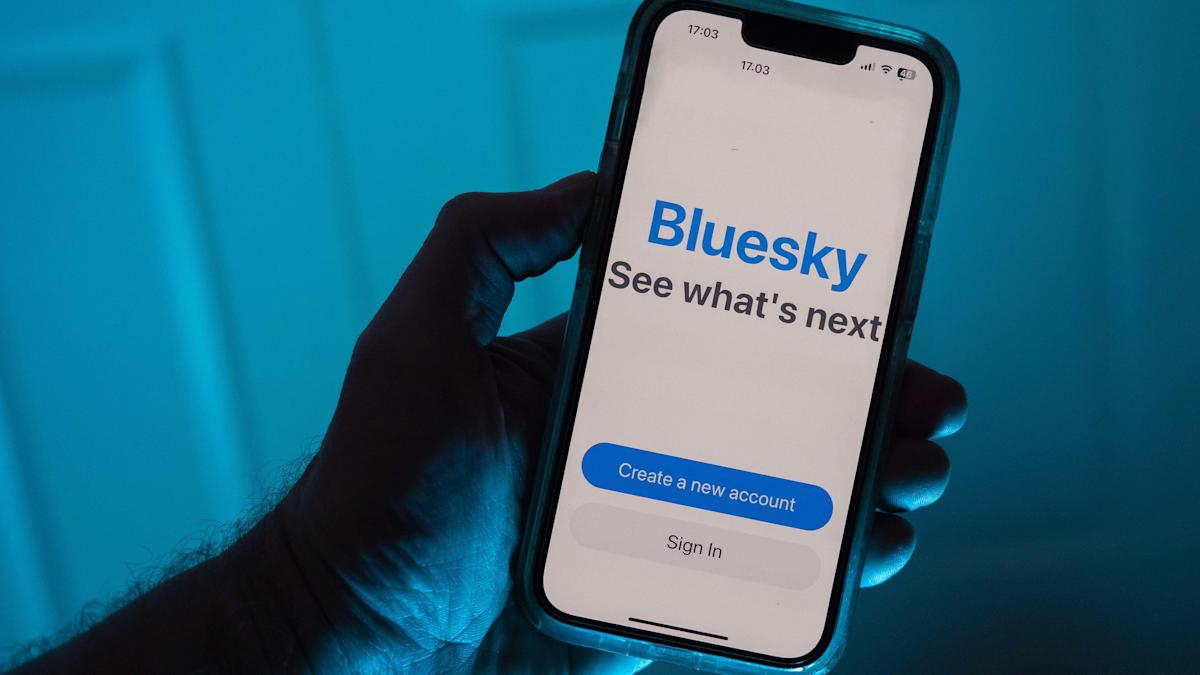
Bluesky is the new(ish) social media platform emerging as an alternative / competitor to X (formerly known as Twitter).

Officially launched in 2021, Bluesky enables users to post, reply and send direct messages via a similar interface to X. Users can share posts, similar to tweets, with a current character limit of 300. Engagement features include likes, reposts and replies, fostering interaction between users and their followers.

The X alternative offers a refreshed approach to the short-format platform, with a focus on decentralisation (data stored on independent servers rather than a centralised system), customisability and user empowerment.

Bluesky claims its decentralised approach enhances privacy and security, as there is no single point of failure or control.  Bluesky also asserts it gives users more ownership over their data, making it harder for large corporations to exploit or misuse it.

So, what makes it different from X?

Replacing the traditional “master algorithm” model controlled by a single entity, Bluesky operates with an open and diverse ecosystem of algorithms, allowing users to develop and customise their own algorithms to shape their feed. It even allows for categorisation so users can create feeds exclusively for different interests, e.g.one for politics, one for fashion and one for food.

This empowers Bluesky users to govern their own feed, offering greater control over what they see and ensuring that users aren’t exposed to algorithms that prioritise engagement at the cost of quality. This is an interesting cultural shift, given ongoing conversations about social media’s role in contributing to cultural sentiments and echo chambers.

Authenticity measures have also been improved. Rather than the blue checkmarks seen on X, users can use domain names as their handles. For journalists, public figures or organisations, this feature serves as a reliable form of verification, linking profiles directly to official websites.

Bluesky has also implemented measures to promote positive interactions through so-called “anti-toxicity” features — a notable example being the ability for users to detach their original posts from unwanted quote posts, thus seeking to reduce harassment and misuse while aiming to foster more respectful community engagement.

Is it the ‘next big thing?

Since its launch, Bluesky has seen significant growth and now boasts 15 million users globally — an increase of nine million since September.

Bluesky believes that its community-driven focus offers a democratic and adaptable alternative—personalised, transparent and inclusive. Its rapid adoption suggests it is already carving out its own niche within the social media landscape. Whether it will overtake X, with its 586 million monthly users, remains to be seen.

Should you set up a profile?

As always with new tools and channels, experimentation is key. Early adopters should focus on engaging storytelling, fostering genuine discussions and creating value for the community. Bluesky is committed to being ad free, ensuring it remains  first and foremost a social media platform, rather than an attention marketplace.

If your current content strategy relies heavily on paid ads or viral trends, you may need to rethink your approach for Bluesky. Unlike platforms that rely heavily on algorithms to amplify content, brands must adapt their messaging to this environment, focusing on meaningful, two-way interactions rather than overtly promotional content. As with any other platform, a strategic approach is key. Ensure you have a regular post frequency to keep your feed populated and up to date.

If your business is uncertain about joining Bluesky, we recommend adopting a measured approach. Start with a pilot strategy, testing the platform with a small, focused initiative to evaluate its value before allocating significant resources. Monitor the platform’s growth, its feature developments, how competitors or similar industries are engaging and where you might fit in. Due to Bluesky’s focus on dialogue, consider whether you have the correct resource to maintain authentic interaction.

The future of Bluesky remains uncertain, but its continued growth opens the door to unlimited possibilities. Join the conversation: @bigpartnership.bsky.social

A seat at the table: Why business needs political support

This year has brought significant political shifts. Scotland has (another) new First Minister. The UK has a new Prime Minister. But while politicians come and go, the challenges facing businesses across the country remain constant—and increasingly, they’re growing more complex.

Businesses are facing a host of hurdles: rising operational costs, workforce shortages, the push for sustainability, and adapting to the rapid pace of digital transformation. Meanwhile, unpredictable policies and economic turbulence make long-term planning almost laughably difficult. What businesses need, at a minimum, is stability, clear communication, and, perhaps most importantly, a seat at the table where decisions affecting them are made.

Yet, too often, businesses feel disconnected from the politicians making policies that impact them directly. This is where public affairs comes in. At BIG, we don’t see our role as opening doors to politicians or trading in favours. Our job is to create meaningful relationships between businesses and government that lead to action. We facilitate conversations that power economic growth, attract investment, and create jobs. The connection between business and politics isn’t just important—it’s absolutely essential if we are to have a thriving economy.

As a business owner, I can attest that few things are more gratifying than seeing your people thrive. There is a unique satisfaction in giving someone their first real opportunity and watching them flourish. Business leaders are inherently driven to create, to grow, and to employ. But increasingly, growth is no longer just a challenge—it’s become a Herculean task.

The goals of business and government, in truth, are not so different. Both want economic stability, job creation, and a society in which people prosper. And yet, businesses—especially the small and medium-sized enterprises that form the backbone of our economy—are expected to do it all on their own, with little more than a passing pat on the back. If we are to achieve real progress, genuine collaboration from government is essential.

That’s why we’re sponsoring the Politics in Business Award at The Herald Scottish Politician of the Year Awards. This isn’t merely about recognising achievement; it’s about celebrating those politicians who understand the value of a strong alliance between public and private sectors. It’s about highlighting those who build bridges that have real, tangible benefits for the business community.

In today’s politically charged climate, it is all too easy to grow cynical about both politics and business. Polarisation, heightened rhetoric, and deep-seated mistrust have made collaboration feel like an increasingly uphill battle.  We must remember that the challenges we face as a society are too complex for any one sector to tackle alone.  The ingenuity of business and the authority of politics must come together to create lasting solutions. Business and politics are not adversaries, but rather partners with shared interests in building a resilient economy and a society that works for all.

This goes beyond mere lobbying or advocacy. We need a new era of cooperation—a recognition of just how deeply intertwined our futures truly are. When businesses and governments engage meaningfully, they unlock the innovations and opportunities that drive genuine economic growth.

The businesses that will drive our country’s growth must be involved in decision-making, not as a box ticking exercise or to pay lip service, but as genuine partners in shaping policy. Only through authentic collaboration can we hope to achieve meaningful progress. At BIG, we are committed to deepening these connections, both at Holyrood and Westminster, and championing those who understand the value of this critical partnership. We have to find a way of making this marriage work. Our nation’s future depends on it.

How to make your brand scream on Halloween: A designer’s guide to spooky social media

Spooky season is upon us and for many brands, this holiday is an opportunity to engage with audiences in a playful and memorable way.

But as designers, how do we make sure our Halloween visuals are as spellbinding as a well-timed ghost story and not just your typical cobweb-and-pumpkin cliché?

Whether you’re designing a luxury brand’s hauntingly elegant Halloween story or creating a playful AR filter for a supermarket brand, a successful Halloween campaign captures the imagination and resonates with audiences.

Here’s your go-to guide on how to make your brand scream (in a good way) on Halloween.

Set the mood with atmosphere

When it comes to Halloween, atmosphere is everything. Brands that manage to strike that perfect balance between eerie and inviting are the ones that stand out. Start by thinking of your brand’s existing identity and find ways to introduce elements that feel natural yet spine-tingling.

One trick I often apply is colour grading to create an eerie but captivating vibe. Cool blues and deep, desaturated hues can instantly shift the tone of your visuals without being overly literal.

I did this while working on a Halloween campaign for airline client, Loganair, when I transformed the usual travel visuals into nighttime scenes with soft glows and mist, subtly evoking the Halloween spirit.

Small additions like smoky overlays and moonlight hues can elevate even the most familiar scenes.

Innovate beyond the clichés

Sure, zombies, pumpkins, and bats are synonymous with Halloween—but relying on these visuals can feel lazy. Think outside your standard spooky box, and instead embrace unexpected imagery or abstract concepts. Minimalism can be key.

Your aim should be to evoke curiosity. Working with a furnishing client? What could be lurking behind that curtain? Is that shadow moving? These small visual teases can be more captivating than overt scares, which aren’t necessarily a fit for all brands.

Elevate with typography

Halloween typography doesn’t have to be all jagged edges and dripping blood. Instead, take inspiration from vintage book covers or old-style horror movie posters. Pair elegant, slightly distressed fonts with a clean, simple layout to keep it refined yet playful.

I’ve found success blending delicate serifs with subtly warped, vintage-inspired fonts.

For a homebuilder client, we avoided haunted house tropes and added sophistication by pairing a delicate serif with gritty textures, giving a nod to Halloween without overpowering the brand’s luxury feel.

Crafting immersive experiences with video and sound

Static visuals are great, but video can take your Halloween campaign to another dimension. Short-form video with eerie elements—like flickering candles, mist, and moving shadows—can create a captivating atmosphere. Layer these with ambient sound, like rustling leaves or distant whispers, to pull your audience into the experience.

For an Aldi Scotland campaign, I mixed subtle fog animations with faint wolf howls to enhance the eerie feel without distracting from the core message. This use of subtle motion and sound can evoke an emotional response, turning a simple post into a hauntingly immersive experience.

Embrace interactivity

Halloween is the perfect time to let your brand’s personality shine. From cheeky captions to interactive filters, find ways to get your audience involved and reshare your content.

I’ve used Augmented Reality (AR) filters and story polls to encourage users to engage directly with branded content, whether it’s a “Which Halloween creature are you?” quiz or a spooky filter that adds animated ghosts floating around the user’s head. Unfortunately, AR filters on Meta are now a thing of the past – but we still have TikTok!

For captions, ChatGPT is my go-to for brainstorming ideas when I’m feeling stuck. It helps me refine puns and playful phrases without falling into the cringe zone, allowing me to stay on brand while embracing the season’s spirit.

Consistency is key

Even with all the Halloween excitement, remember to stay true to your brand’s visual identity. Your Halloween campaign should feel like a natural extension, not an out-of-character deviation. Before jumping into spooky designs, think about how elements like colours, typography, and themes align with your brand’s overall style.

Don’t let scary designs haunt you this Halloween. For spook-tacular design support, contact us.