Over the last decade, I’ve built websites in Dreamweaver, created GIFs that generated billions of views, learned Meta’s AR software and now use AI tools to help shape wireframes and content structures.
Some of those skills are still useful, while others have all but disappeared.
It’s taught me an important lesson: the most valuable skill in design isn’t mastering a particular tool, it’s being willing to adapt when the industry inevitably changes around you.
The tools never stop changing
When I started my career, Dreamweaver was still a legitimate part of many designers’ workflows – it was considered cutting edge.
Back then, building a website often meant designing and developing it yourself. Responsive design was still finding its feet; social media looked very different and nobody was talking about AI as a creative tool.
Fast forward a decade and my workflow has changed completely. Most projects now start in Figma, collaboration happens in real time and tools like Claude and Relume are helping speed up everything from content structures to early-stage wireframing.
The fundamentals of design haven’t changed much but the tools we use to get there certainly have.
One of the biggest challenges for any designer is deciding what deserves your time.
Throughout my working life, I’ve invested hours learning platforms and technologies that felt like the future.
At one point, GIF creation became a major part of my work. Brands were embracing the format, audiences were sharing them everywhere and the opportunities felt endless. It was an exciting time, creating content that generated billions of views across social platforms.
Fast forward a few years and GIFs feel increasingly tied to a specific era of internet culture.
The same thing happened with Meta Spark Studio. I spent time learning how to create augmented reality experiences because it genuinely looked like a pivotal direction for social media. Then the platform was retired and much of that ecosystem disappeared.
Looking purely at the software, that time might seem wasted but I don’t see it that way.
The value wasn’t really in the tools themselves. Every new platform forced me to learn new ways of thinking, solve unfamiliar problems and become comfortable operating outside my comfort zone. Those skills transfer.
The software may disappear, but the ability to pick up something new, understand it quickly and find creative ways to use it remains incredibly valuable.
In many ways, learning how to learn has become one of the most important skills in modern design.
AI is just the latest chapter
Right now, AI dominates almost every conversation in the creative industry. Some people see it as a threat while others see it as the solution to everything. The reality is probably somewhere in the middle.
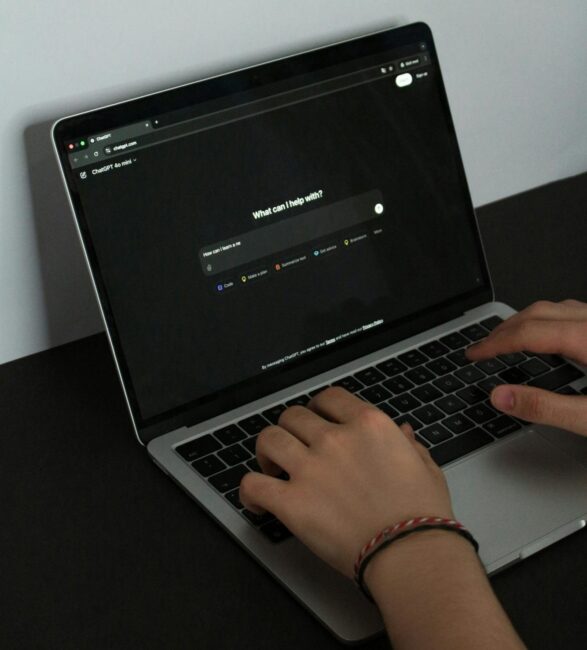
I use AI tools regularly, not because they replace design thinking, but because they help remove friction, speed up certain tasks and make it easier to move ideas forward.
Five years from now, the tools we’re all talking about today might be gone. That’s not a criticism, it’s just the nature of technology.
The challenge isn’t trying to learn everything, it’s figuring out what’s worth exploring, what’s worth ignoring and what genuinely makes you better at your job.
Why this matters for brands
The same principle applies beyond design. Businesses are navigating many of the same challenges. New platforms emerge, customer behaviours shift and technologies evolve at an increasingly rapid pace. Knowing which opportunities are worth pursuing and which are simply distractions has become more important than ever.
That’s where experience matters. At BIG, we’re constantly exploring new tools, technologies and ways of working. Not because every trend deserves attention, but because understanding what’s changing helps us identify what will genuinely create value for our clients.
The goal isn’t to chase every new platform or shiny new technology. It’s to combine proven creative thinking with an understanding of what’s next, helping brands adapt confidently without losing sight of what makes them effective in the first place.
The tools will continue to change, they always do. For designers and brands alike, the challenge is knowing how to evolve with them.