BrightonSEO October 2024: Embracing AI’s role in shaping the future of digital marketing

The BrightonSEO October 2024 conference took the digital marketing world by storm, offering an enlightening glimpse into the rapidly evolving landscape where artificial intelligence is taking centre stage. The event tackled four crucial themes: brand building, upper-funnel content, user experience, and technical excellence.

Here at BIG, we’ve distilled the key insights to ensure both our clients, and our own strategies remain at the forefront of the industry.

Brand building amidst the content deluge

In today’s digital age, where content saturation is widespread, establishing a standout brand has never been more essential. A major takeaway from BrightonSEO was the growing importance of brand authority. The event emphasised creativity and genuine storytelling as pivotal elements, with Carrie Rose highlighting social media’s influence on brand visibility. Her insights illustrated a direct correlation between social engagement and enhanced Google search performance, signalling that captivating content on social platforms is more than just a follower magnet—it can significantly boost search rankings.

At BIG, this aligns seamlessly with our integrated content strategies, where authentic and creative content isn’t just about capturing attention but driving real results. The message is clear: in a crowded content landscape, authenticity and creativity aren’t optional—they’re fundamental to brand discovery and SEO growth.

The power of upper-funnel content: building relationships early

The importance of engaging potential customers early on their journey was another hot topic. Presenters underscored the value of upper-funnel content that nurtures awareness and fosters relationships long before a purchase decision has been made. Platforms like TikTok, Instagram, and user-generated content campaigns were spotlighted for their role in establishing these early connections.

A particularly compelling statistic emerged: 52% of online brand discovery happens on social media, with 75% of consumers researching brands on these platforms prior to making a purchase. This data reinforces what we at BIG have been advising for years—building connections from the outset is crucial for long-term success. It’s not just about the final conversion; it’s about cultivating relationships that convert over time.

AI and machine learning: transforming SEO efficiency

Artificial intelligence and machine learning are rapidly reshaping SEO practices, and BrightonSEO delivered powerful insights into how these technologies are being harnessed for efficiency. Talks by Jonathan Roberts and Lazarina Stoy revealed AI’s potential to expedite audits, anticipate user behaviours, and analyse data with unprecedented accuracy. However, balance emerged as a recurring theme; AI cannot replace the creative spark that humans bring to content creation.

Michael Suski from SurferSEO cautioned against flooding the internet with low-quality, AI-generated content, advising brands to focus on quality while gradually increasing content production by 20-30% annually. His advice is particularly timely given Google’s latest core update, which penalises content produced solely for rankings.

Paid media is also seeing AI-driven evolution, with the technology being used in two key ways: Reinforced Learning, where platforms learn from data to enhance performance, and Generative AI, which serves as a creative catalyst. This is especially pertinent in B2B marketing, where extended sales cycles can benefit from AI’s ability to optimise campaigns like Google Ads Performance Max.

Putting users first: the rise of user-centricity

User-centric content emerged as a pivotal theme, with speakers emphasising that understanding and addressing genuine user needs is crucial. Sophie Coley drove home the point that content should not merely chase clicks but provide genuine value to the audience. While AI can predict trends and user needs, it is human insight that truly captures the emotions and challenges faced by the audience.

At BIG, our content strategies embody this philosophy, ensuring that while AI aids efficiency, the human touch ensures content truly resonates. Our user-centric approach goes beyond generating clicks; it builds trust and fosters long-lasting relationships with the audience.

Technical SEO and  getting the basics right

While AI and creativity stole the spotlight, the importance of technical SEO remained a vital takeaway. Nikki Halliwell’s discussion on site migrations highlighted the risks associated with neglecting technical SEO elements, such as improper redirects and poor indexation, which can severely impact search rankings.

BIG has always championed technical precision. Without robust technical SEO, even the most creative content can fall short. This is a timely reminder that while automation can handle some heavy lifting, ensuring that a site is properly indexed and crawlable is still fundamental.

Bonus insight: exploring new paid media avenues with Spotify and WeAre8

James Armstrong’s case studies provided a fresh perspective on paid media, spotlighting platforms like Spotify and WeAre8 as viable alternatives when traditional channels underperform. Spotify’s contextual targeting, along with non-skippable ads and a low-budget entry point, makes it an appealing choice for brands. Moreover, the platform’s inclusion of free voiceover features adds value for smaller campaigns.

WeAre8, a lesser-known platform, also made waves with its impressive 99% video ad completion rate, far surpassing Meta’s 0.47%. For marketers aiming to diversify their paid strategies, WeAre8 represents a compelling opportunity to capture and retain audience attention.

The BrightonSEO October 2024 conference served as a powerful reminder of the importance of balance—whether it’s between creativity and technical SEO or the interplay of human insight and AI.

At BIG, we’re already integrating these trends into our workflows, combining cutting-edge AI capabilities with deep expertise in content strategy, brand building, and user experience.

By continually refining our approach and applying these insights, we’re confident in our ability to help clients navigate and thrive in the increasingly AI-driven landscape of digital marketing.

For brands aiming to stay ahead, the key is clear: embrace the potential of AI, but never forget the irreplaceable value of the human touch.

Scotland’s largest PR agency strengthens public affairs team ahead of election

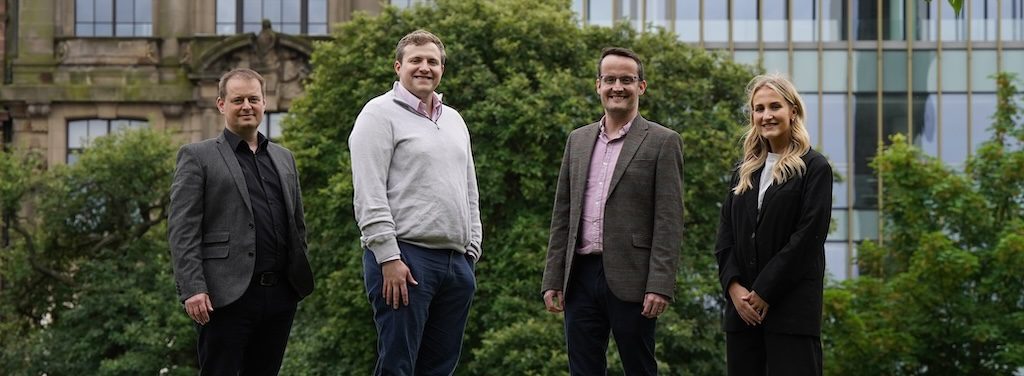
Fraser Paterson, a former senior adviser to Charlotte Street Partners and a Labour MSP has joined BIG Partnership as its new Head of Public Affairs. The move comes as the agency seeks to support clients through a likely change of government at Westminster. 

Fraser Paterson, who previously managed PR and public affairs at the Royal College of Physicians and Surgeons of Glasgow, brings more than a decade of experience in political relations and will continue BIG’s growth in this area. 

He began his career as a parliamentary assistant to Labour’s Anne McTaggart before setting up and running his own consultancy for six years. 

Fraser also devised and led on the Holyrood Rocks project, which focused on encouraging young people to get involved in politics and use their democratic right to vote. 

BIG’s Chief Executive Allan Barr said: “Fraser brings an exceptional understanding of the Labour party and its policies and his arrival represents another significant investment in our business’s future. We’ve inevitably seen a major increase in businesses looking to understand what the new political environment might mean. Fraser is ideally suited to advise clients who are creating the jobs and providing the investment that our economy is crying out for. In a time of significant change, it’s vital we have the right team and Fraser is an excellent addition to our existing talent.”

Fraser added: “The opportunity to join the country’s largest communications agency does not come along very often. BIG already has a well-established public affairs practice and has laid out an ambitious strategy for growth. Many of BIG’s clients are directly involved in addressing some of the most important economic and environmental challenges faced by our country. I’m excited to contribute my skills and experience in putting forward the positive agendas they have for policy-making and investment.”

This is the second public affairs hire for BIG this year. In January, senior account manager Paul Murphie, joined from Pagoda PR, where he led the firm’s public affairs practice. Paul was previously Deputy Head of Monitoring at political and intelligence research firm Newsdirect.  

The two appointments bring the strength of BIG’s public affairs team to four, with Fraser and Paul working alongside account manager Jen Scott and head of office Stewart Argo.

Why Keir Starmer must use the Labour manifesto to reassure the energy sector

Barring a Devon Loch style collapse, the Labour Party will win the UK general election on July 4, Keir Starmer will become Prime Minister and Ed Miliband will almost certainly take on a senior energy policy role.

After the energy crisis of 2022, and the subsequent cost-of-living crisis that UK is still grappling with, it’s only natural that the sector, and therefore Miliband, are central to the national conversation. But while rhetoric is batted back and forth and the theatre of vote courting is scrutinised by the media, everybody knows what the end result will be.

Realistically the writing has been on the wall for a while now and the energy sector has had plenty of time to analyse, predict and overthink Starmer’s plans for the industry. To paraphrase philosopher Descartes, greater attention should be given to what people do, rather than what they say, and the conversation must now turn to what a Labour government looks like in practice.

We all know the headline pledge to create ‘GB Energy’ and headquarter it in Scotland, but the nuts and bolts of this flagship policy remain shrouded in uncertainty, while the North Sea is nervously waiting to see what the new government has in store for oil and gas. The upcoming launch of the Labour manifesto has a lot of questions to answer.

The impact of GB Energy

According to Starmer, GB Energy is an “investment vehicle” that will drive funding of clean power, rather than a publicly-owned utility as had originally been thought. The PM in-waiting believes it will encourage the private sector to invest too and will lead to “tens of thousands of jobs”. Overall, the government will spend £8 billion on GB Energy over the course of the next five years, although £3.3bn of that is ringfenced for Labour’s local power plan for small-scale clean power projects. 

In which city GB Energy will be headquartered remains to be seen, but Aberdeen, the UK’s energy capital, has a strong claim as its spiritual home. The north-east, or more specifically the North Sea, has been the source of much of the country’s energy since the 1970s, generating hundreds of billions of pounds in revenue for the Treasury in the process. 

It is a region in transition though, as the oil and gas industry continues its long decline to be increasingly replaced by renewables. Sustaining, and hopefully growing, jobs along the way is paramount, and transitioning workers from one sector to the other, as outlined by a recent Robert Gordon University report, is a challenge that Starmer and his party must negotiate. Insiders suggest the announcement of the HQ location is being kept up Labour’s sleeve to use ahead of the next Scottish Parliament election, likely to be held in 2026.

GB Energy polls well and is liked by voters, who feel that it removes fears over energy security and a reliance on foreign imports. But the public also like the windfall tax on the profits of oil and gas companies, whereas there are legitimate gripes in Aberdeen and the wider energy community over its impact on the sector’s ability, or indeed willingness, to invest in the cleaner energy sources needed. That disconnect between sector and consumer is a tightrope that Starmer must walk.

Opportunity for Starmer

The manifesto launch is an opportunity for Starmer to outline exactly what Labour’s plans are and how he intends to implement them. It must outline exactly how far Labour will go in its green pledges and whether this will be at odds with the long-term future of North Sea oil and gas. Moreover, Starmer must provide granular detail on what GB Energy actually is, beyond being a rather vague investment vehicle, and what technologies Labour are backing to meet its 2030 clean power objectives and the UK’s wider obligation to zero out emissions by 2050.

In an interesting session hosted recently by Politico, its energy reporters made the notable point that while Starmer has vowed to reform the planning system, voters may be surprised by what this physically looks like, as onshore windfarms, battery storage plants and hydrogen hubs pop up around the countryside over the coming years. It’s hardly controversial to say that a lack of infrastructure building has held the UK back, and Labour must reinforce what mandate it has to make the necessary widespread changes. As our client, DNV, has said previously, nimbyism opposition is a major hurdle in the route to net zero.

Labour are in the final furlongs of the general election race and seems poised to win by more than a length. We are now at the stage where every sector, from oil and gas to renewables, needs to know what Starmer intends to do with power.

Ben Palmer and Hamish Penman are account managers in BIG Partnership’s energy team.

Net zero by 2050 will fail if we can’t deliver in the next five years

There’s always an element of luck involved when working out the best time to launch a new report.

In supporting Robert Gordon University’s latest research, ‘Delivering our Energy Future’, the plan was to release the findings ahead of the UK General Election – we just didn’t know it would be the day before the Prime Minister made the call to go to the polls in July.

The report shows that the UK will fail to achieve a ‘just and fair’ transition by 2030 unless there is urgent alignment across the political spectrum to sustain UK offshore energy industry jobs, supply chain investments and the economic contribution of the workforce.

RGU analysed over 6,560 pathways for the UK offshore energy industry between now and 2030. The report concludes that UK and Scottish political decisions, rather than energy market economics, will determine the size of the workforce and supply chain, which makes the forthcoming election so important for the energy industry.

In its industry manifesto, OEUK states that by choosing a homegrown energy transition, “we can protect skills, secure investment and maximise sustainability”. This was echoed at our BIG breakfast event in Aberdeen last week, which featured representatives from operators, developers, investors and the supply chain.

There was considerable frustration around the table that the North Sea windfall tax, imposed by the Conservative government in response to the profits the oil and gas sector made during 2022’s energy crisis, remains in place, even though there are no longer windfall profits.

The Energy Profits Levy, as it is otherwise known, is to remain in place until 31 March 2029 and the Labour Party has announced plans to increase the windfall tax from 35% to 38% and extend it by a further year.

The SNP’s Westminster leader Stephen Flynn recently said that the windfall tax had been the “right thing to do” but proposals to increase the burden would stymie investment threatening jobs now and in the future. This was echoed last week by new First Minister John Swinney who said the tax had “gone too far”.

This year alone, several North Sea players have announced jobs cuts, blaming the windfall tax.

The fear amongst the guests at our roundtable was that the UK’s ‘energy resilience’ was under threat. Although the north east of Scotland is particularly affected, it was stressed that this is very much a national issue. Continued uncertainty is affecting investment, making domestic energy less competitive and increasing the UK’s exposure to costly imports.

The UK has a legally binding agreement to reach net zero by 2050 (2045 in Scotland) and the default line for politicians is that this very much remains the target. Fresh from the pandemic and the cost-of-living crisis, it is understandable that politicians are seeing net zero as an issue that can be addressed further down the line.

The UK became the first major economy in the world to halve its emissions between 1990 and 2022, which is a major accomplishment. However, what the RGU model highlights is that without pulling the right levers in the next five years, our hopes of achieving the mid-century ambitions in a ‘just and fair way’ hang by a thread.

What is required is a more joined up approach between industry and government. Our event showed that industry is chomping at the bit to engage with political parties of all colours and demonstrate the real impact of recent political decisions on workers.

The North Sea has the potential to be repurposed as a world-class, multi-energy basin. Only grown-up discussions can ensure that this ambition becomes a reality.

Google Marketing Live Blog 2024

After last year’s announcements of integrating “AI (Artificial Intelligence)” into Google ads, it came as no surprise that Google Marketing Live 2024 was building upon this, taking the next steps to maximise the potential of the tool through some impressive innovations. This year highlights the new era of AI, new product launches, and strategic growth opportunities. We will explore some of the key features that were announced at the event and ones that we here at BIG were really excited to hear about.

AI Powered Shopping Ads

Users are starting to search in new ways, from asking more complicated questions through images and more. However, more avenues of search correlates to more opportunities to advertisers. Google is starting to test search and shopping ads in AI overviews. This allows advertisers to integrate short-form product videos, and virtual trying on with viewers now able to see how items fit by selecting different body types as well as 3D spinning. This allows shoppers to engage with products in a brand-new way before committing to purchases, the idea is to help sway them to click on ads and increase confidence. Even with strong creative assets, shoppers are always weary of making financial decisions without the physical product in hand. Enabling consumers to gauge a better understanding of the products in a virtual environment will help increase online sales.

Optimise

#

This year will see additional changes being made to Performance Max (Pmax), with Google pushing the campaign type to advertisers to help optimise their campaign performance. Despite some advertiser’s concerns with Pmax, the campaign did see a multitude of changes with new AI-powered tools helping advertisers speed up the creation of high-quality assets across multiple channels by 5x.
Additionally, slightly more control is returning to advertisers to help maintain brand image. This comes in the form of guardrails such as the introduction of fonts, colours, and imagery to campaign creation. Google is starting to understand the importance of simultaneously having performance increases in campaigns whilst maintaining brand image within campaigns. Therefore, the introduction of these guardrails and editing capabilities will help rectify this issue.

Furthermore, Pmax is seeing more reporting and bidding optimisation options. For reporting, Pmax will now allow users to conduct placement reporting and exclusions for YouTube to help allow advertisers to ensure ads are being seen within more relevant videos. Additionally, asset-level reporting is being introduced. This allows for a breakdown of conversion performance on individual assets, allowing advertisers to gain an understanding of which forms of creative are working best for their ads. This is an interesting feature that will help to spark additional testing within Pmax campaigns, with advertisers having the confidence that comparing different assets will yield fruitful data that can be used within future campaigns by helping to understand what creatives help to reach intended goals.

Moreover, Smart Bidding will also see the introduction of profit maximisation. This will allow for campaigns to optimise profits within Pmax campaigns. This is achieved by using data from cart-level conversions against the cost of goods being sold in the Merchant centre, with Google reporting that profit maximisation has seen a 15% increase in profits for advertisers. The introduction of a new smart bidding features offers an opportunity for advertisers to run simultaneous campaigns against each other to help understand the impact that this is having on their performance and meeting specific goals. The introduction of profit maximisation could be particularly useful for campaigns where KPIs are focusing on ROI (Return on Investment).

The” Power Pair”

“Complimentary” was the word of the day, coming up a multitude of times when being asked what type of campaign should be running within certain scenarios such as Search, Demand Gen, etc. The compliment? Performance Max… The complementary mixture of campaigns alongside the use of performance was branded as the “power pair” helping to increase conversions, with the recent changes made to Pmax, this is an understandable statement from Google.


However, with changes to search and Pmax, this also saw changes to demand gen. AI-powered video campaigns are set to revolutionise YouTube advertising, with new features like stickers on YouTube Shorts and animated image ads, along with creator partnership ads, offering fresh, engaging ways to reach audiences. With these additions in demand gen video helping to reach 3 billion users across YouTube and Gmail.

While Pmax still has it doubts, from advertisers seeing less control over their campaigns and putting large amounts of trust into AI, Google remained adamant to continue running Pmax alongside other campaigns to see maximum results. An interesting statement, despite the question of running both campaigns simultaneously cannibalising each other. A question that was quickly shot down, stating the advertisers pushing Pmax are seeing a 27% increase in conversions with similar costs. Google is clearly pushing Pmax even more and wants advertisers to become more comfortable with the campaign type.

Preparing for a Cookie-less World

Something that had our close ear was the changes being made to first-party data with cookies slowly being phased out from Google, with Chrome seeing a 100% phase-out by early 2025. The first change made by Google was the availability of its data manager tool to all advertisers. This allows for a centralised hub for all first-party data (conversions, emails, surveys, etc.) into a single analytics hub. Data privacy remains a top priority for Google, and this helps to ensure transparency and control over data usage whilst simultaneously simplifying reporting and making advertisers’ life easier. As the industry moves towards a cookie-less era, Google is helping advertisers transition by emphasizing first-party data collection and AI-powered measurement solutions with the centralised hub being a stepping stone. Google stated that in the cookie-less era, advertisers will need to embrace AI as this will be crucial for powering personalised campaigns. The process since the cookies phase-out was announced has created concerns. However, this is hopefully a step in easing concerns.

Google sees the “new era of AI” helping advertisers to supercharge the entire advertising cycle, with many updates being announced influencing how advertisers work. It is exciting to see the opportunities arise soon. With many of these updates being rolled around Q3 or being trialled in different countries before the rollout into the UK, this offers opportunities for us to gain an understanding of how best to integrate and embrace these changes into how we work and help to deliver even stronger results that our clients can be proud of.

To find out more about these changes or get in contact about anything paid media related, be sure to contact the team at [email protected].

Growth and New Senior Leadership Team at BIG Partnership Aberdeen

2024 continues to be an incredible time for us here at BIG Partnership as we announce £500,000 of new contract wins and promotions in our fast-growing Aberdeen office, with a new senior leadership team now in place to support further, rapid growth.

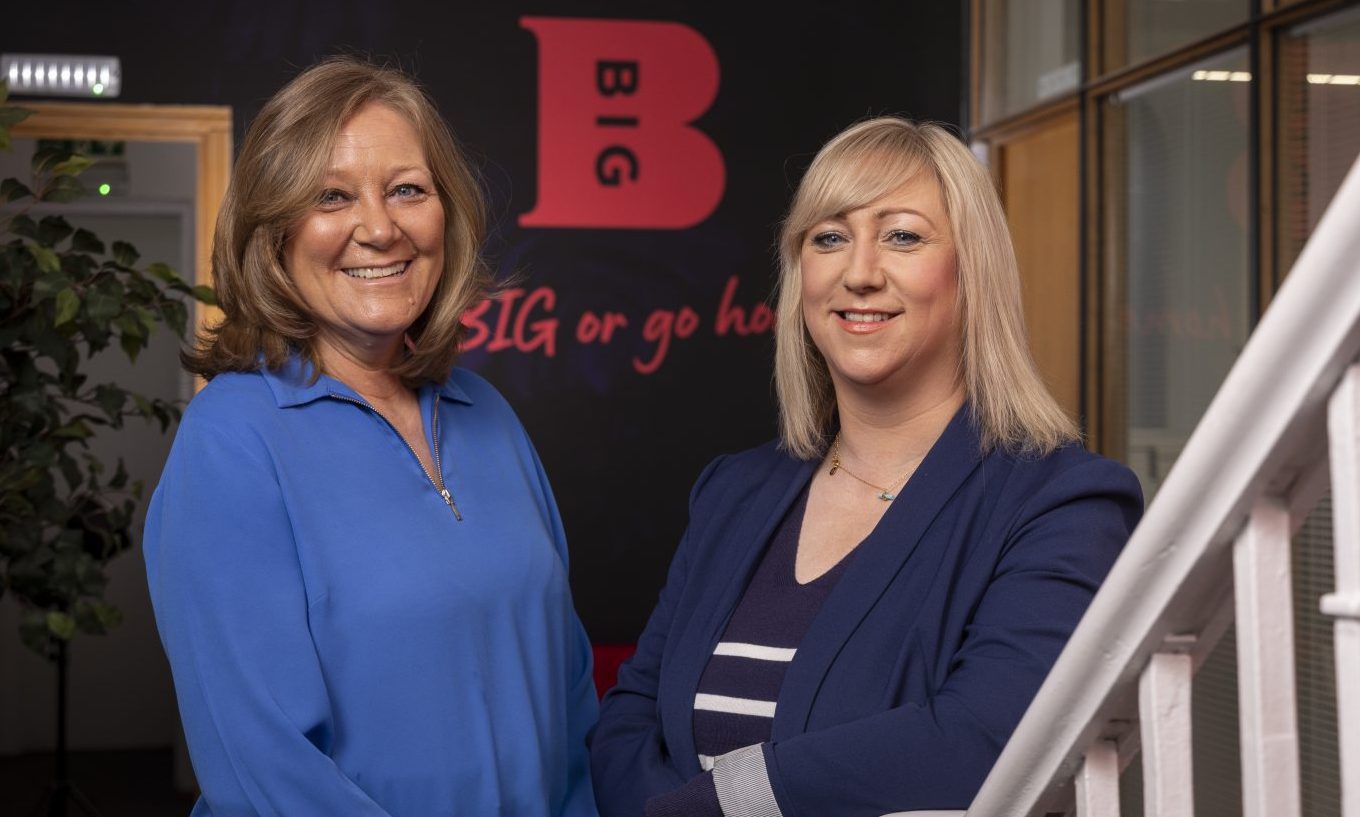
BIG director Gayle Grant, who has been with the agency since 2010, is stepping up to lead the Aberdeen office.

With 25 years’ experience, Gayle was formerly head of BIG’s energy practice. A journalist for five years, Gayle moved into technology PR in Cambridge before spending several years in a senior agency role in Manchester, leading campaigns for large-scale regeneration projects.  She joined BIG’s energy team in 2010 and was appointed to the board in 2020.

Gayle will be supported by a senior leadership team comprising former account directors Shona Hendry, Richard Crighton and Pam Wilson.

Shona, a senior news journalist and experienced press officer who joined BIG in 2007, has moved into the newly-created role of head of PR – Aberdeen to direct and deliver strategic planning of campaigns, largely in the corporate and consumer sectors.

Having worked in BIG’s energy team for 11 years, Richard has been appointed head of energy where he will lead growth across renewables and energy transition clients.

Pam, a former broadcast journalist and BBC radio producer who has been with BIG since 2013, has taken up the role of head of media relations – international, supporting BIG’s growing portfolio of global clients.

Founder of BIG’s Aberdeen office, Zoe Ogilvie said: “After 22 years of building and leading the business in Aberdeen, the time is right for me to take a step back. Taking my foot off the gas, to a certain extent, will enable the leadership team to flourish under Gayle’s direction and drive the business to the next stage in its growth.

I’ll still be involved in key client accounts and will be supporting Gayle and the new leadership team who, between them, have over 80 years’ industry experience.

Gayle Grant said: “I’m proud to lead our superb Aberdeen team, bringing fresh insights and strategies to our diverse clients. BIG is a very well-established name in the city and we have built a track record for delivering results across the marketing mix, building brands, influencing, and protecting reputations.

I’m thankful to Zoe for her mentorship and guidance over the years and look forward to getting after the growth opportunities ahead.

The BIG team in Aberdeen moved into larger premises at 6 Carden Place last year to enable further growth and has expanded its client base across energy, corporate and consumer sectors. 

BIG employs over 90 people across four locations in Aberdeen, Glasgow, Edinburgh and Manchester delivering strategic marketing and public affairs campaigns for hundreds of clients.

BIG’s CEO, Allan Barr, added: “Gayle has been a proven leader in our business for many years and, alongside her senior team, I am confident she will drive both the office and our overall business forward. We are also very pleased that Zoe will remain an integral part of our future success.

Regional news media has changed beyond all recognition, and here’s what it means for you

Our consultants Ben Palmer and Stewart Argo, both former journalists, reflect on the latest grim news from the UK media sector. 

Since the 2008 financial crash, the regional news media sector has shrunk to a quarter of its size in revenue terms (or to look at it another way – adjusted for inflation – it’s an astonishing SEVEN times smaller). 

The figures are contained in new research from industry bible Press Gazette, which has revealed the colossal extent of regional news media revenue decline in the UK since 2007. 

As part of its research, Press Gazette looked at three of the main local news publishers: Reach, National World and Newsquest.  

For a detailed breakdown of the revenue and staff figures, and associated caveats, it’s best to read the actual article. What we have done here is sum up the key points and explained what we think this means for businesses and other organisations that look to work with the media (or are forced to in some cases!) 

In 2022, the three companies Press Gazette focused on had regional media revenue of around £590m and employed up to around 3,000 journalists. 

Compare that to 2007, when the number of journalists employed totalled around 9,000 in 2007 and their collective revenue was £2.4bn 

That leads to three questions:  

  • Why is this the case? 
  • Should anyone still care about regional media?  
  • And what does it mean practically when dealing with local press? 

The value of local media  

On the first question, Press Gazette observes that there is strong correlation between the decline of the UK regional press and the rise of US tech giants. 

It also notes that in 2007 news media advertising – both magazines and newspapers – was worth £7bn in the UK, or 39% of the £17bn total UK ad spend (about £11bn in today’s money). 

Compare that with 2022, when all national, regional and magazine titles combined made around £2bn in advertising (print and online). That’s from a total £35bn UK ad spend.  

They’ve gone from taking 39% to a 6% slice of the pie. 

By contrast, last year saw around £15bn of UK ad spend spent with Alphabet, which owns Google and YouTube, and Meta, which owns Facebook and Instagram. 

You might be wondering, what does this mean for you if you’re looking for coverage in your local paper (or website!)?  

If we go back to the second of our three earlier questions, the answer is: yes, regional media still matters a great deal. Even though the sector is clearly in decline in many ways, local outlets are still widely read. Whereas historically, readers may have nipped to the shop for their paper, these titles are still very popular on other mediums such as X and Facebook.  

And it’s not just about numbers. Regional media play a very important part in influencing the political or community agenda in many places. They can be effective campaigners on local issues. They can shine a light of matters of real public interest. They can give a voice to people who would otherwise be unheard. 

Local journalists facing time constraints 

So, what are the practical implications of all this? 

For local and regional journalists, covering the issues that matter most to their readers is the obvious priority. That means a day job consisting of scheduled events, maybe some court reporting, emergency services incidents, and human interest tales. 

But even the likes of council meetings, once a rich source of copy, do not receive the same attention and scrutiny that they should. And long-form, investigative journalism is now largely confined to the major broadsheets. 

The main reason for this is obvious: fewer reporters producing more content. 

Time is an increasingly precious commodity for reporters. In the world of churn and clicks, ensuring that they are making the most of their resources is vital. In short, don’t waste a journalist’s time with a story that isn’t relevant.  

As an editor recently said to us: I don’t want to know what’s important; I want to know what’s interesting. 

What is a journalist looking for? 

If you’re pitching a story to a journalist, think of how it would look on the front page of a local paper. Is that something that a friend or family member of yours would stop to read when passing the newsagent? If it is, then that’s a good first step.  

Make a story sing. Provide good quality images and copy that can quickly be lifted into a journalist’s own version of the story to save them time redrafting. Add some colour to quotes that can be used for headlines. Make their job and life easier. 

This all matters if you’re on the receiving end of a query too. Of course it’s important to ensure that your issues or crisis comms strategy is robust, but you also want to consider the needs of the press too.  

In such situations, speed is the name of the game and being prompt in communication can carry a lot of weight. The time-pressed journalist that you helped when they’re filing copy against a tight deadline will likely remember that the next time you’re pitching a decent story. 

If you’d like to know more about how the changing face of the media sector affects your business or organisation, get in contact with us for a chat. 

Supporting Scotland to #GetToZero with Waverley Care

There is an old cliché that if you love what you do, you will never work a day in your life.

Believe it or not, there are people out there who love politics and public policy. I am one of them, because I have always seen politics as a way to make the world a better place. I’m fortunate that leading BIG’s public affairs and government engagement advice to our clients gives me the opportunity to do something that I genuinely love every day of the week.

I am also fortunate to work for a company that supports its employees to follow their passions and make an impact. As well as charity fundraisers and sponsorship, every BIG employee is given a day off a year to spend their time volunteering for a charity of their choosing.

This year, I chose to volunteer with a cause that is particularly close to my heart: Waverley Care’s #GetToZero campaign.

Founded at the height of the HIV/AIDS crisis in 1989, Waverley Care has been leading the campaign to end new transmissions of HIV in Scotland by 2030.

How is that possible?

Forty years after the first cases of HIV were diagnosed, what it means to live with HIV has changed.
There have been truly remarkable advances in medical care which means that HIV is no longer a death sentence. In fact, someone living with HIV can lead a long, happy, healthy life. I should know – I am HIV positive.

My medication doesn’t just keep me healthy, it helps me protect others. Today, people living with HIV who are undetectable cannot pass the virus on to others. We call this ‘undetectable equals untransmittable’. In Scotland, 95% of people in Scotland who are living with HIV and on successful treatment have are undetectable.

These powerful advances in medical treatment also help protect those who are at risk of HIV. Medication which helps prevent transmission – called PrEP – is now widely available on the NHS in Scotland to those at risk of infection.

And HIV testing – so people can know their status – is more accessible than ever before.

We now have all the tools in the box that we need to end new HIV transmissions in Scotland. Working with the Scottish Government, Waverley Care is leading the charge on a new strategy to make Scotland one of the first countries in the world to achieve zero new HIV transmissions.

But there is much to do to make this a reality. Misinformation and stigma are now the biggest challenges.

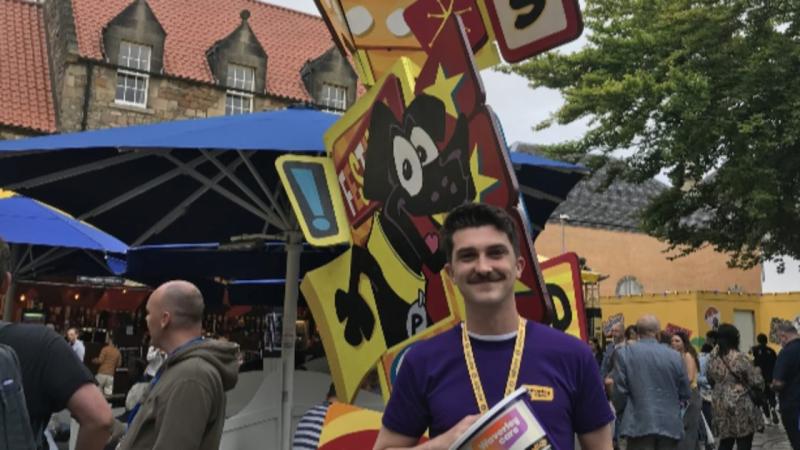
On a sunny day in August, I was proud to play my small part. Since 1992, Waverley Care has had a partnership with The Pleasance theatre, allowing the charity to raise money in the venue during the Edinburgh Fringe Festival. Since the partnership began, over £600,000 has been raised to support people living with HIV in Scotland. But perhaps the biggest impact of the partnership is the opportunity that it provides to have stigma-busting conversations with people from all over the world in one of the Fringe’s busiest venues.

Of course, your activism doesn’t end when you give back your card machine and your bucket, now overflowing with spare change, at the end of a volunteering shift. It is the conversations you have every day – at home, in the pub, in the workplace – that all add up to the positive change in how we view HIV, not just as individuals but as society.

You can learn more about Waverley Care’s #GetToZero campaign here: https://www.waverleycare.org/policy-research/gettozero/

How to unleash your Instagram Grid, Stories and Reels – Social Media Day ‘23

It’s Social Media Day, and to mark this occasion BIG Partnership‘s Head of Social, Kevin Mitchell, is going to break down some of the current mysteries behind Instagram’s algorithm; sharing its real power and how you can approach the Grid, Stories, and Reels for your business. 

In recent years, Instagram has become one of the most popular social media platforms, capturing the attention of users and businesses alike. With its user-friendly interface and visually appealing content, Instagram has a wide range of features that allow users to share their stories and experiences. 

But these Instagram features are not equal, they all serve a very different purpose. Whilst some gravitate to newer features like Reels, convinced new equals value, others stick with the Grid, convinced Instagram’s original feature set is the only feature that matters. 

I’m here to tell you, they’re all wrong. But I’m also here to tell all …

That’s why this Social Media Day, I’m going to tell you the real power of Instagram and how you can unleash your Instagram activity to power both your brand and demand.

How to approach Instagram’s Grid, Stories and Reels


Three of the most prominent features on Instagram are Grid posts, Reels, and Stories. Each feature has its own distinct purpose and style, offering different ways to share content and engage with your Instagram audience and followers. Let’s take a closer look at the platform differences between these features and how you should be using them to get real results.

Instagram Grid Posts

The Grid is the classic Instagram feed, where you can post photos and videos to share with followers. Grid posts are the backbone of Instagram, allowing users to curate their own visual galleries. Each post takes up a square in the grid, creating a visually pleasing and organised profile. Grid posts are great for sharing high-quality, carefully curated content that represents who you are or what you do.


The real power of the Instagram Grid: It’s all about sharing compelling content and stories with your followers. It’s about growing brand interest and sentiment, not reaching new audiences for rapid follower growth. 

Instagram Stories

Instagram Stories are temporary, shareable posts that disappear after 24 hours. Stories bring a more spontaneous, behind-the-scenes, in-the-moment aspect to Instagram and your brand. You can share photos, videos, and live broadcasts, and add (custom) stickers, text, hashtags, and interactive elements such as polls, quizzes, and question boxes. 

Additionally, Instagram Stories can be saved to Highlights, creating customisable sections on a user’s profile where they can categorise and feature their best and most important Stories for a longer period. 

The real power of Instagram Stories: Stories are temporary, making them perfect for sharing casual, less polished content, adding a layer of authenticity to your Instagram activity, with your followers. 

Instagram Reels

Introduced in 2020 as a direct response to the popularity of TikTok, Reels allows users to create and share short, looping videos. Reels is a platform within Instagram that offers various creative features, including video editing tools, audio tracks, effects, and AR filters.

Unlike Grid posts, Reels do not appear on users’ profiles. They are primarily discovered through the Explore page or the Reels tab, where users can browse through a curated selection of trending and popular content.  

The real power of Instagram Reels: Reels offer the opportunity to reach a wider audience way beyond your existing following. This makes Instagram Reels a valuable tool for enhancing your visibility and reach on Instagram, especially when you use trending topics and sounds. Typically, businesses would use paid ads to achieve this type of reach (and paid should feature as part of your strategy, we can talk about that another time), but it’s sitting right here, waiting for you to use it for FREE! 

Conclusion 

In conclusion, while Instagram’s Grid posts, Reels, and Stories all belong to the same platform, each offers a unique way to reach and engage with your followers and new potential. 

Grid posts allow for curated and permanent content, Stories bring an element of spontaneity and interactivity, and Reels provide a stage to reach a whole new audience across Instagram. 

Utilising these different features can help you diversify your message and content, interact with your audience in multiple ways, and ultimately amplify your presence on Instagram like never before! 

Why summer recess is the ideal time to engage politicians.

Ahead of the Scottish Parliament’s summer recess from 1st July – 3rd September, Jennifer Scott, Public Affairs Account Manager in BIG’s Edinburgh office, lists her top pointers on how to make the summer a festival of engagement. 

This June has been the hottest on record, and that has been enough to put us all in the summer spirit. You could be forgiven for thinking that politicians are no different, and that they can’t wait until Parliament goes into recess for the summer, so they can join the rest of us in putting our feet up, cracking out the BBQ or venturing off to take in the sounds of one of the country’s many summer music festivals. 

With both the Scottish and UK Parliaments entering recess in the next few weeks, there is undoubtedly an opportunity for our elected members to catch their breath and take a well-earned break. 

But if you think you’ve missed the boat on engaging politicians on the issues that matter to you – think again! 

Just the other day, I spoke with a contact who suggested that the months ahead will be quieter in the political landscape, and that businesses should down tools on the public affairs front until parliamentary business resumes at the beginning of September.  

But this overlooks the fact that summer recess is one of the main opportunities that our elected representatives get to spend an extended amount of time in their local areas – and this is all the more important ahead of a General Election next year. 

Don’t take my word for it – I spoke to one MSP who said: 

“As an MSP, I am keen to engage with as many community organisations and businesses during recess. I’m keen to engage with work around the main issues in the area – poverty, business growth, and tourism.  

“My advice would be to be specific about any reason for a visit and any briefing on why I should visit, as this allows for preparation.” 

Another MSP told me:  

“For me, summer represents an opportunity to get out to every corner of my area to speak to people and hear about their concerns. 

“With two months away from Parliament, recess is also a perfect time for me to catch up with as many fantastic businesses, charities and other voluntary organisations as I can.” 

So, as the Scottish Parliament and Westminster prepare for their summer breaks, here are five ways that businesses can turn the summer into their own festival of engagement: 

  1. Invite your local MSP or MP to visit your business 

Politicians are more likely to be in their constituency at this time and will want to maximise opportunities to get out and about in their local area, including visiting local businesses. When Parliament is sitting, time is tight, and it can often be difficult to get a good amount of time in the diary with an MP or MSP. But summer recess is an ideal time to bring your MP or MSP to you, familiarise them with your business, and discuss the issues that matter to you.  

  1. Get creative to help MSPs and MPs understand the impact of your business 

When it comes to visits, the more creative and engaging you can be will better help MSPs and MPs understand the impact of your business. For example, if you are a hospitality business, why not invite your local MSP to do a shift in your venue? Or if you’re a housing association, why not invite your local MSP to meet local residents or tour a new development? Whatever it is you choose to do, the key is to help MSPs and MPs understand your impact by showing them your business in action – bonus points if you can make it a good photo opp! 

  1. Get a head-start on planning your Party Conference engagement 

The world of politics and public affairs can often feel relentless, and many of us breathe a sigh of relief at the break the summer recess gives us. But the breathing space of summer is a great opportunity to get ahead of planning for later in the year, particularly for Party Conferences. Most of this year’s Conferences take place in October and will be a key opportunity to influence parties ahead of the General Election. Whether you are hosting a fringe event, or setting up 1-2-1s, planning your Party Conference engagement is a lot of work and the summer break offers you an opportunity to get a head-start. 

  1. Time for cross-party working 

The summer period makes it easier to get cross-party elected representatives together to discuss big issues that will affect all their constituents. At BIG, we advise a number of public bodies who find this kind of cross-party engagement and briefings both efficient and effective. You’ll need a clear idea of what you’d like to discuss and why, and it would be wise to do some research into which MSPs and MPs would have a particular interest in the topic you’re looking to discuss.  

  1. Use this time to demonstrate how you are delivering for their constituents 

Surgeries will be held by MSPs and MPs, likely at every town and village on their local patch, and will be used to discuss pressing issues in the area like housing availability, public transport, business growth and many other issues which play on the minds of voters. For example, last year, Labour MSP Paul O’Kane held a street surgery to meet and talk to the people he represents and many other MSPs do something similar. If you are a business which is ‘consumer-facing’, and particularly if you are involved in delivering services around those common issues of interest to constituents – from housing to public transport – then summer is a good opportunity to be actively engaging MSPs on the issues of concern to their constituents, and demonstrate how you are delivering on their priorities.