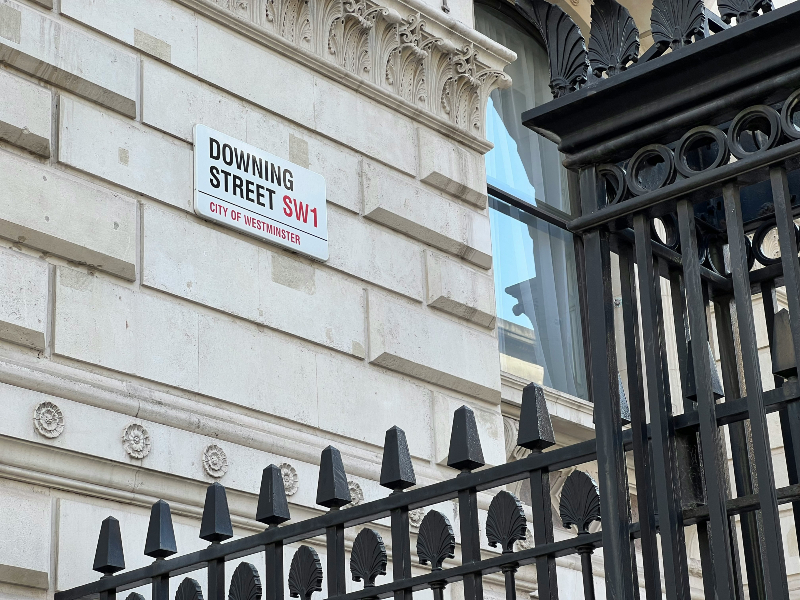
Britain has its seventh Prime Minister in ten years, and this one is arriving without a general election or a leadership contest. Nominations opened on 9 July for the race to succeed Keir Starmer as Labour leader. Andy Burnham was the only declared candidate.
He was confirmed as Labour leader on 17 July, unopposed, and takes office as Prime Minister today following his audience with the King.
Westminster is calling this a coronation. For anyone with a stake in government policy or funding decisions, it’s better understood as a change of management with almost no notice period.
Starmer announced his resignation on 22 June, four days after Burnham won his seat as MP for Makerfield, having won a by-election engineered specifically to get him there. Sitting MP Josh Simons stood down in May so the then-Mayor of Greater Manchester could re-enter Parliament and mount a challenge. Wes Streeting, the one MP with the profile to make this a genuine contest, endorsed Burnham within hours and stood aside. That single decision shaped the timetable more than anything in the party’s rulebook.
Starmer stayed on until the process concluded. His net approval rating had fallen to around -46% by November 2025, and Labour’s losses in the May 2026 local elections triggered a run of resignations, including Streeting on 14 May and Defence Secretary John Healey on 11 June. Burnham, positioned to Starmer’s left and backed by a decade running Greater Manchester, absorbed that discontent faster than anyone else could organise against it.
What a coronation actually changes
A contested leadership race ordinarily forces a candidate to defend their positions in public, under pressure, for weeks. The coronation skips all of that. Burnham walks into Downing Street without ever having had to defend a manifesto, a fiscal plan or a foreign policy position against a Labour rival. That matters for anyone trying to plan around him, because a contest is usually where you find out what a Prime Minister actually believes once the questions get hard. This time, there was no dress rehearsal. The positions on record are the ones Burnham developed as a regional mayor, without a departmental Cabinet to run, a Treasury to negotiate with or a backbench to manage. All three land on day one.
What this means in practice
A reshuffle is coming, and it reaches further than the top job. New leaders bring new advisers and, usually, a reshaped Cabinet. Relationships built around a specific minister or department should be treated as provisional until appointments are confirmed.
The runway before recess is short. Anything meant to land on a new minister’s desk in their first fortnight, congratulations, requests for meetings, briefing material, is worth having ready now.
Burnham has pledged to stay within the current spending and borrowing plans, which should reassure anyone braced for a sharp fiscal shift. But his “Manchesterism”, a devolution-and-private-investment approach to growth, changes the tone even where the numbers don’t move. Expect a different pitch on regional investment, planning and business engagement from a government running the same fiscal rules.
Greater Manchester relationships carry new weight. A decade running that combined authority means Burnham arrives fluent in regional investment and transport policy and already known to the people who deliver it. Organisations with a footprint in the North West now have a more direct line into Downing Street than they had a month ago.
Scotland is not a bystander. A new UK government reshapes the Barnett conversation and the tone of UK-Scottish Government relations, whatever the devolution settlement says on paper. Holyrood-facing work should treat this as part of the same story, not a separate one.
Review which of your government contacts are reshuffle risks and have any correspondence for a new minister ready to send the moment appointments are confirmed.
If you’d like to talk through what this means for your organisation specifically and how we can assist, BIG Partnership’s public affairs team is happy to help.